The traditional cultural hierarchy—where a handful of editors, executives, and creative directors dictated the next decade of consumer behavior—is dead. In its place is a decentralized, high-velocity engine fueled by algorithmic discovery and niche community sentiment. For brand owners and digital strategists, the shift from "offline-first" to "online-first" isn't a theoretical change in media consumption; it is a fundamental restructuring of how value is created and captured. If you are waiting for a trend to appear in a trade publication or on a billboard, you are likely eighteen months behind the actual market pivot.
Best for: CMOs, product developers, and digital strategists looking to move from reactive marketing to predictive cultural positioning.
The Algorithmic Feedback Loop as a Cultural Engine
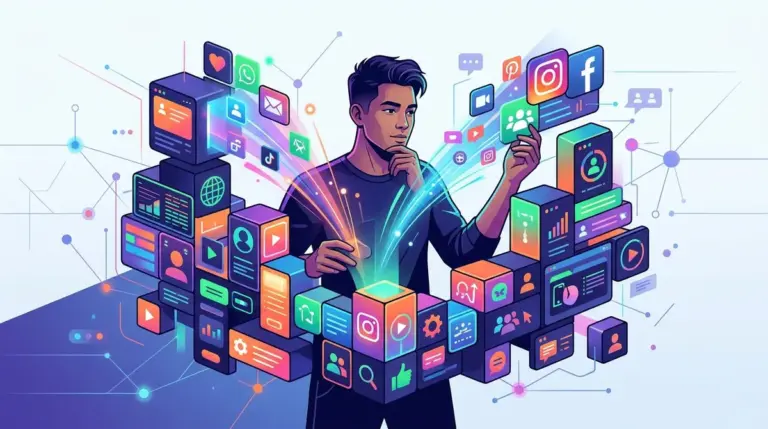
Culture no longer trickles down; it bubbles up through feedback loops. In the legacy model, a fashion house would design a collection, a magazine would feature it, and six months later, the public would adopt it. Today, the loop is instantaneous. A creator on TikTok experiments with a specific aesthetic—take "Coastal Grandmother" or "Gorpcore"—and the algorithm identifies high-retention signals within hours. This data doesn't just inform content; it informs manufacturing. Fast-fashion giants and consumer packaged goods (CPG) startups now use these engagement metrics to greenlight production runs before a single physical store has stocked the item.
The algorithm acts as a global focus group that never sleeps. It removes the guesswork from demand generation by testing concepts in a low-stakes digital environment. When a specific niche starts to gain traction, the "Network Effect" kicks in. As more users interact with the niche, the algorithm pushes it to adjacent audiences, effectively "mainstreaming" a subculture in a matter of weeks. This compression of the trend cycle means that the window for commercial opportunity is narrower than ever, requiring brands to have agile supply chains and real-time social listening capabilities.
The Death of the Gatekeeper and the Rise of Peer-to-Peer Validation
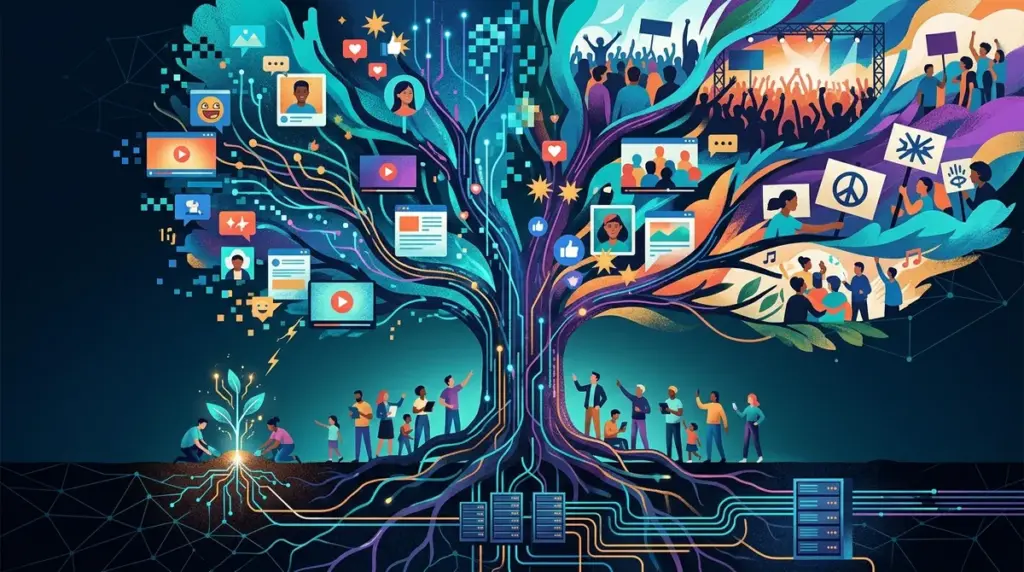
The most significant cultural shifts start online because the barriers to entry have been obliterated. Previously, a cultural movement required the blessing of a gatekeeper—a gallery owner, a record label, or a publisher. Now, validation is peer-to-peer. Discord servers, subreddits, and Telegram groups serve as the new incubators for everything from financial movements (crypto and "meme stocks") to lifestyle shifts (minimalism or biohacking). Indeed, understanding the dynamics of the online first cultural shifts is key to grasping why trends now gain traction so rapidly.
Why Decentralized Platforms Outpace Traditional Media
Decentralized platforms allow for "hyper-niche" development. In these spaces, ideas can reach a level of maturity and complexity without being diluted for a general audience. By the time these ideas reach the broader internet, they arrive with a fully formed lexicon, aesthetic, and set of values. This "ready-made" culture is highly attractive to consumers who are tired of the polished, sanitized output of traditional corporate media. The authenticity found in these digital-native spaces is the new currency of the digital economy.
Warning: Brand managers often mistake a "meme" for a "movement." A meme is a communicative tool; a movement is a shift in consumer values. Pivoting your entire Q4 strategy based on a trending audio clip without understanding the underlying sentiment is a recipe for high-cost irrelevance and "cringe" brand perception.
The Commercialization of Digital Sentiment
Understanding that culture starts online allows businesses to treat social platforms as R&D laboratories. Instead of spending six figures on traditional market research, savvy operators look at high-intent signals in digital communities. For example, the rise of "sober-curious" culture didn't start in a boardroom; it started in wellness forums and on Instagram, where users documented their experiences with alcohol-free lifestyles. Brands that recognized this shift early were able to dominate the non-alcoholic spirit category, which is now a multi-billion dollar industry.
To identify whether a digital shift has staying power, look for these five indicators:
- Cross-platform saturation: The idea moves from a niche platform (Discord/Reddit) to a visual platform (Instagram/TikTok) to a professional or news platform (LinkedIn/X).
- Lexicon evolution: The community develops its own slang or terminology that begins to leak into general usage.
- Physical product demand: Search volume for related physical goods increases, often leading to "sold out" statuses for unrelated products that happen to fit the aesthetic.
- High-intent search growth: A steady increase in "how-to" or "best of" searches related to the topic, rather than just passive consumption.
- Secondary market activity: The emergence of a resale market (eBay, StockX, Depop) for items associated with the movement.
Operationalizing Cultural Intelligence
To capitalize on the fact that culture starts online, organizations must shift their internal structures. The "Social Media Manager" can no longer be a junior role tasked with posting updates; they must be elevated to a cultural analyst who reports directly to product and strategy teams. This role requires the ability to distinguish between "noise" (a 48-hour viral joke) and "signal" (a fundamental change in how people spend their time or money).
Furthermore, brands must embrace "Beta Culture." This involves releasing products, content, or ideas in an unfinished state to gather real-time feedback from online communities. By involving the digital audience in the creation process, brands don't just follow culture—they co-create it. This builds a level of brand loyalty that traditional advertising cannot buy, as the audience feels a sense of ownership over the final result.
Strategic Moves for Digital Adoption
Stop viewing the internet as a distribution channel and start viewing it as the primary source of truth. To stay ahead, implement a "Social-First" R&D pipeline where digital sentiment analysis precedes product design. Monitor the "fringes" of the internet—the small, high-density communities where the next decade's norms are currently being debated. Finally, prioritize speed over perfection. In an online-first cultural landscape, being first and "mostly right" is significantly more profitable than being last and "perfect." Embracing this paradigm shift is paramount for staying relevant in an always-online world where digital sentiment dictates success.
Frequently Asked Questions
How can I tell if a trend is a fad or a long-term shift?
Look at the underlying utility. Fads are usually purely aesthetic or based on a single joke. Long-term shifts solve a problem, reflect a change in social values, or are driven by a new technology that changes how people interact with the world.
Which platforms are the best leading indicators for culture?
It depends on the industry. For finance and tech, X and Reddit remain dominant. For lifestyle, fashion, and CPG, TikTok and specialized Discord servers are the primary incubators. For B2B, look at the shifts in discourse on LinkedIn and niche professional Slack communities.
Is it too late to join a trend once it hits the mainstream news?
For "cool factor," yes. For commercial exploitation, no. Once a trend hits the mainstream, the "early adopter" phase is over, but the "mass market" phase is just beginning. Your strategy should shift from "innovation" to "accessibility" at this stage.