
The transition from physical presence to digital persistence has turned identity from a philosophical question into a technical architecture. For creators, founders, and marketers, identity is no longer a static reflection of one’s history; it is a dynamic, high-stakes asset managed across a fragmented ecosystem of platforms. When we talk about digital identity today, we are discussing the intersection of personal branding, data privacy, and algorithmic feedback loops that dictate how a person is perceived by search engines and social graphs alike.
The Transition from Pseudonymous Play to Persistent Social Graphs
In the early days of the internet, identity was fluid and largely disconnected from the physical self. IRC channels and early forums allowed for pseudonymity, where users could experiment with different personas without real-world consequences. This era prioritized anonymity as a feature of privacy. However, the rise of the "Social Graph"—pioneered by platforms like Facebook and LinkedIn—shifted the paradigm toward radical transparency. These platforms mandated real-name policies, effectively tethering a user’s digital footprint to their legal identity and credit history.
The Death of the Avatar and the Rise of the Verified Self
The shift toward verification was driven by the need for trust in digital commerce and advertising. Advertisers required certainty that they were targeting real humans, not bots. This led to the commodification of the "blue checkmark," transforming verification from a security feature into a status symbol. For professionals, this means that your digital identity is now your primary resume. A Google search for a name yields a composite of social profiles, mentions, and contributions that define professional authority before a first meeting even occurs.
Algorithmic Identity Construction and the Feed Effect
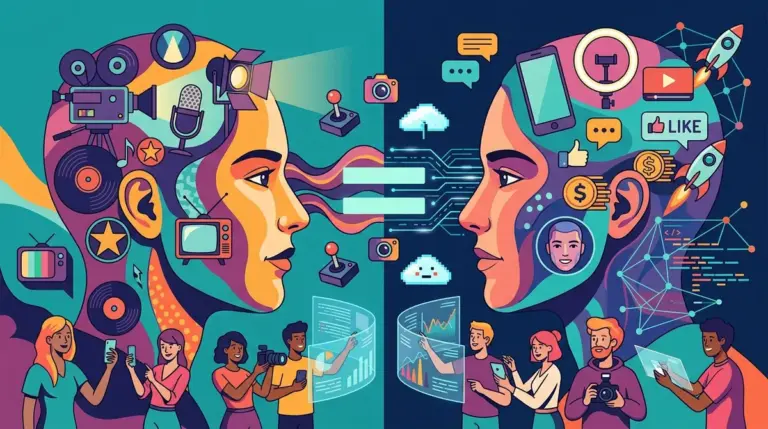
Identity is no longer just what you post; it is what the algorithm thinks you want to see. Platforms like TikTok and Instagram use recommendation engines that create a "mirror effect." By constantly serving content that aligns with your past behaviors, these systems reinforce specific facets of your personality while filtering out others. This creates a feedback loop where the user begins to perform for the algorithm to maintain engagement and visibility.
Best for: Content creators and personal brands looking to optimize for discovery without losing authentic voice.
- Data Silos: Your identity on X (formerly Twitter) is technically and culturally distinct from your identity on LinkedIn.
- Context Collapse: The risk of professional and personal audiences seeing the same content, leading to a sanitized, "bland" digital persona.
- Algorithmic Pigeonholing: Being categorized by a platform as a "tech enthusiast" or "lifestyle influencer," which limits the reach of content outside those niches.
Warning: Over-optimizing your digital identity for a single platform’s algorithm creates "platform risk." If the algorithm changes or the platform loses relevance, your entire professional identity and audience access can vanish overnight. Diversify your identity across an owned domain and an email list to maintain sovereignty.
Monetizing the Self: Identity as a Commercial Asset
The creator economy has turned personal identity into a direct revenue stream. When identity becomes a product, the line between the individual and the brand blurs. This has significant implications for how businesses are built. Founders are now expected to be "public builders," sharing their journey in real-time to build trust and lower customer acquisition costs. This "Identity-as-a-Service" model relies on consistency, vulnerability, and technical savvy.
From a technical standpoint, this requires a robust stack. Managing a digital identity at scale involves tools for cross-platform scheduling, CRM systems to track audience interactions, and SEO strategies to ensure that the "canonical" version of your identity appears at the top of search results. You are essentially managing a personal PR firm where the product is your own expertise and reputation.
Technical Infrastructure for Identity Management
The next phase of digital identity is decentralized. We are seeing a move toward "Self-Sovereign Identity" (SSI) and Web3 technologies like the Ethereum Name Service (ENS) or Lens Protocol. These technologies aim to give users ownership over their social graph, allowing them to move their followers and content from one platform to another without losing their "reputation score."
For businesses, this means preparing for a world where customer data is not stored in a centralized database but is "loaned" to the company by the user via a digital wallet. This shift will require a fundamental change in how marketing departments approach personalization and data privacy compliance.
Strategic Management of Your Digital Footprint
To navigate this landscape, you must treat your digital identity as a managed asset rather than a passive byproduct of your internet usage. This involves intentional curation and a focus on "high-signal" activities that reinforce your desired positioning. Do not leave your digital narrative to the whims of an automated aggregator.
First, audit your search results to identify "identity gaps"—places where outdated or irrelevant information is outranking your current work. Second, establish a central node, such as a personal website or a robust LinkedIn profile, that serves as the source of truth for your brand. Finally, engage in cross-platform storytelling that leverages the specific strengths of each medium while maintaining a consistent core message. By taking control of the technical and narrative aspects of your identity, you ensure that you are defined by your contributions rather than your data points.
Common Questions on Digital Identity
How does digital identity affect SEO for personal brands?
Search engines use E-E-A-T (Experience, Expertise, Authoritativeness, and Trustworthiness) to rank content. A consistent digital identity across reputable platforms signals to search engines that you are a credible source, which can significantly boost the ranking of your content and personal site.
What is the biggest risk of a "public builder" identity?
The primary risk is context collapse, where personal opinions or mistakes from the past are surfaced in a professional context. Additionally, the mental health toll of constant performance and the lack of a "private" self can lead to burnout and brand dilution.
Can I truly own my digital identity?
On centralized platforms, you do not own your identity; you lease it. To achieve true ownership, you must invest in decentralized protocols or, at the very least, maintain an independent website and mailing list that you control regardless of third-party platform policies.