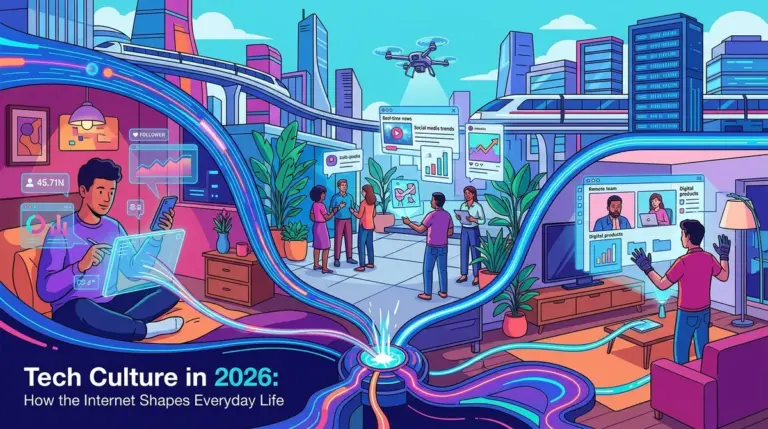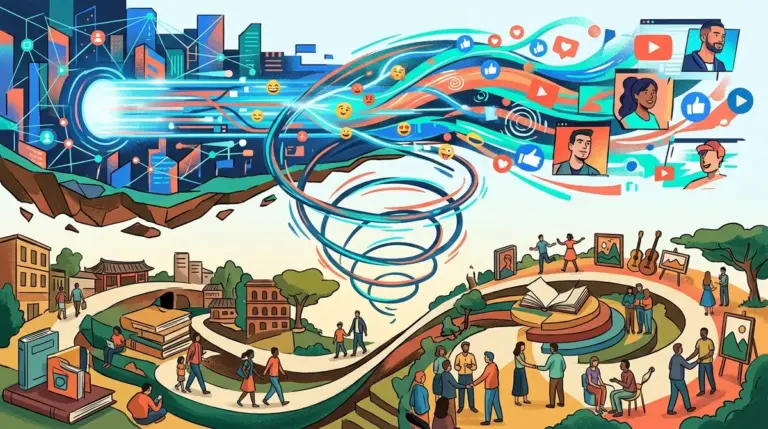

Marketing budgets often flow toward established search volume, yet search volume is a lagging indicator. By the time a keyword registers in a traditional SEO tool, the cultural momentum behind that topic has likely been building in gated or semi-gated internet communities for months. Understanding how these digital enclaves—ranging from specialized subreddits to private Discord servers—shape public interest is no longer a fringe sociological study; it is a prerequisite for capturing early-stage demand and building brand authority before a niche becomes a crowded marketplace. This shift explains why culture feels fragmented online, as momentum builds in these gated communities.
The Shift from Search Intent to Community Consensus
Historically, marketers used search engines to diagnose what people cared about. Today, the flow of information has reversed. Communities act as incubators where ideas are stress-tested, refined, and eventually validated. Once a community reaches a consensus on a product, a solution, or a cultural trend, that sentiment spills over into search engines and social feeds. For a digital business, the goal is to identify these "consensus events" before they hit the mainstream.
Best for: Product marketers and content strategists looking to reduce customer acquisition costs (CAC) by targeting emerging interests before keyword difficulty spikes.
The Lifecycle of a Digital Trend
Most significant consumer shifts follow a predictable trajectory through the internet’s architecture. It begins in high-signal, low-volume environments like Discord or niche forums where enthusiasts debate technical nuances. It then migrates to Reddit or X (formerly Twitter), where it gains "meme-ability" and simplified messaging. Finally, it reaches the "search phase," where the general public looks for definitions and buying guides. If your content strategy only targets the search phase, you are competing on price and SEO muscle rather than insight.
Algorithmic Echo Chambers and the Death of the Generalist
Algorithms on platforms like TikTok and YouTube do not just serve content; they reinforce community boundaries. When a user engages with a specific niche—say, mechanical keyboards or decentralized finance—the algorithm creates a feedback loop that intensifies their interest. This creates "micro-realities" where certain topics feel globally significant to a specific subset of the population, even if they are invisible to everyone else.
- Information Arbitrage: The ability to take a solution from one community and apply it to another that hasn't discovered it yet.
- Sentiment Analysis: Monitoring community-specific slang and "inside jokes" to understand the emotional drivers behind a purchase.
- Community Gatekeeping: Recognizing that direct advertising often fails in these spaces; value must be provided through utility or expertise.
Warning: Avoid "community-washing." Entering a niche space with a generic corporate voice is the fastest way to trigger a negative brand association. These communities value proof-of-work—whether that is code contributions, insightful long-form posts, or genuine participation—over polished marketing collateral.
The Rise of the "Curator" as a Trust Proxy
As the internet becomes saturated with AI-generated content, users are retreating into communities where human curation acts as a filter. Substack newsletters, private Slack channels, and specialized telegram groups are the new gatekeepers of attention. For a creator or a brand, the strategy shifts from "reaching everyone" to "becoming the trusted source for the curators." As a result, becoming a trusted source is key to how the internet shapes daily life for these community members.
When a community leader or a highly-reputed member validates a concept, it creates a ripple effect. This is why B2B companies are increasingly investing in "Founder-led SEO" and "Employee Advocacy." People do not trust brands; they trust the individuals who have earned a reputation within their specific digital neighborhood. The community dictates the "vibe check," and the vibe check dictates the commercial viability of a trend.
Quantifying Community Impact on SEO
While community sentiment is qualitative, its impact on quantitative metrics is measurable. High community engagement leads to branded search growth. When a community discusses a brand, users don't just search for "best project management software"; they search for "[Brand Name] vs [Competitor]." This shift from generic to branded search is a direct result of community-driven trust and is significantly easier to rank for, with higher conversion rates.
Navigating the Fragmentation of Attention
The challenge for modern publishers and agencies is that attention is no longer centralized. You cannot buy a single Super Bowl ad and expect to reach the entire market. Instead, you must map the "community graph" of your target audience. This involves identifying where your ideal customers hang out when they aren't on your site. Are they debating logistics on a specific subreddit? Are they sharing templates in a Notion-focused Discord?
Practical Context: A SaaS company targeting developers will find more actionable product feedback in a GitHub Issue thread or a Hacker News comment section than in a standard customer satisfaction survey. The former is unprompted, peer-reviewed, and reflects the community's actual pain points.
Operationalizing Community Insights
To turn community sentiment into a competitive advantage, businesses must move beyond passive social listening. It requires an active synthesis of community data into the product roadmap and content calendar. This means hiring community managers who are subject matter experts, not just moderators. They must be able to translate "community heat" into "business requirements."
1. Identify the "Primary Source" communities for your industry.
2. Monitor for recurring questions that lack high-quality search results.
3. Create content that answers these questions with the same depth found in the community threads.
4. Distribute that content back into the community, not as an ad, but as a resource.
Integrating Community Intelligence into Your Growth Strategy
The most successful digital businesses of the next decade will be those that treat internet communities as their primary research and development labs. Instead of guessing what people care about, look at what they are already arguing about in the comments. The friction in a community thread is a roadmap for your next high-performing landing page or product feature. Stop waiting for the search tools to tell you what is trending; by then, the opportunity for outsized returns has already passed.
Focus on building a presence that adds value to the discourse. Whether through deep-dive technical guides, transparent building-in-public updates, or providing tools that solve a specific community grievance, your goal is to be a recognized participant in the ecosystem. When the community cares about you, the search engines will follow.
Frequently Asked Questions
How do I find which communities my audience actually uses?
Start with "referral traffic" in your analytics to see where your current visitors are coming from. Beyond that, use tools like SparkToro to see what social accounts and podcasts your audience follows, then look for the associated communities (e.g., a podcast's Patreon Discord or a creator's Substack comments).
Is it worth engaging in "closed" communities like Discord?
Yes, but the ROI is different. You won't get direct SEO backlinks, but you will get high-intent leads and "word-of-mouth" search volume. These spaces are for building brand advocates who will eventually mention you in "open" spaces like Reddit or blogs, which do provide SEO value.
How do I measure the success of community-led marketing?
Track "Branded Search Volume" in your search console. If your community efforts are working, more people will search for your brand specifically. Additionally, monitor "Share of Voice" in key community threads using manual sentiment checks or specialized social listening tools that can crawl niche forums.