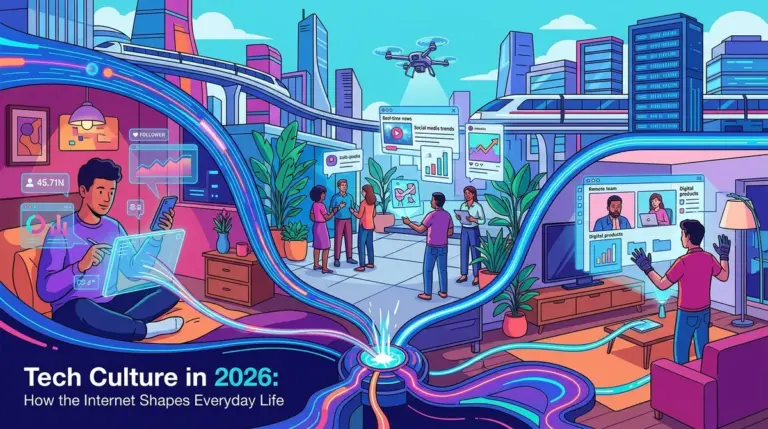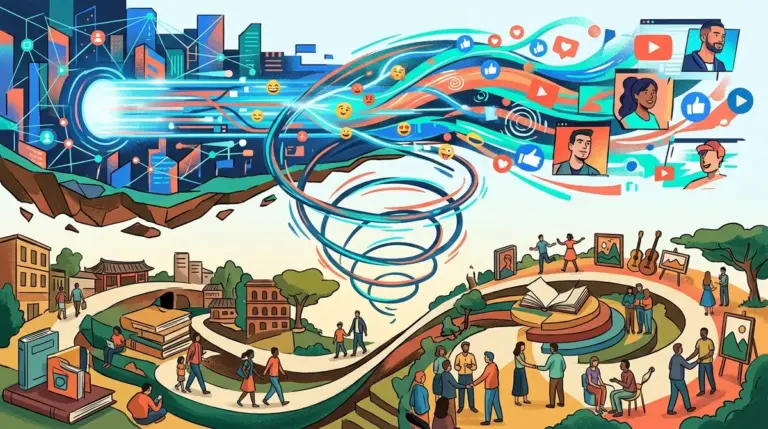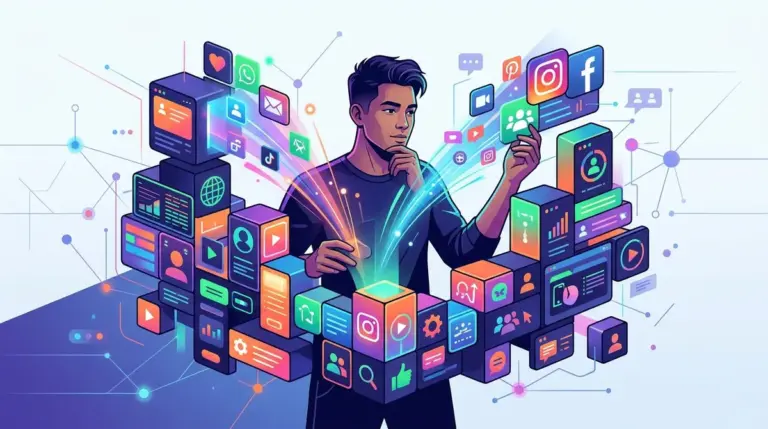
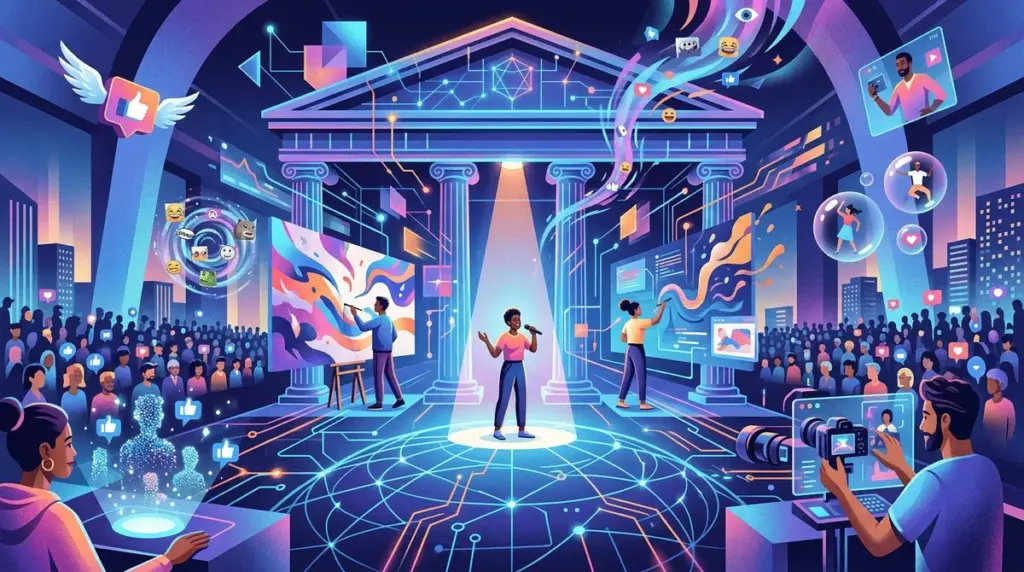
The shift from social networking to social entertainment has fundamentally rewired how commercial value is created and captured. For marketers and agency owners, the platform is no longer a secondary distribution channel for a "hero" campaign; it is the primary environment where trends are born, tested, and scaled. When a product goes viral on TikTok or a discourse takes over X (formerly Twitter), it isn't just digital noise—it is a shift in market demand that traditional media can no longer trigger with the same velocity or precision. This acceleration means that understanding why online trends move faster is key to capturing market attention.
The Displacement of Traditional Gatekeepers
For decades, cultural relevance was dictated by a small group of editors, studio executives, and creative directors. Today, that power has been decentralized and handed to algorithmic meritocracies. Platforms like TikTok and Instagram have replaced the "top-down" influence of magazines and television with a "bottom-up" model. In this environment, a creator in a bedroom can dictate the seasonal color palette of a fashion brand or the success of a cinematic release more effectively than a million-dollar billboard campaign.
This shift has forced a transition from demographic targeting to interest-based targeting. Brands no longer look for "Women aged 25-34"; they look for "communities interested in sustainable home gardening" or "mechanical keyboard enthusiasts." The cultural capital resides in these niches, and the platforms provide the infrastructure to aggregate them at scale.
Vertical Video as the New Literacy
The dominance of vertical video (TikTok, Reels, Shorts) is not merely a formatting preference; it is a change in how information is synthesized. The 9:16 aspect ratio has become the standard for "authentic" communication. High-production horizontal video now often signals "advertisement" to the brain, triggering an immediate skip response, whereas lo-fi vertical content signals "information" or "entertainment."
Key Cultural Drivers by Platform:
- TikTok: The laboratory for sound-based memes and rapid-cycle trend testing.
- Instagram: The polished storefront for aspirational lifestyle branding and visual aesthetics.
- X (Twitter): The real-time newsroom and center for intellectual or reactionary discourse.
- LinkedIn: The emerging hub for B2B thought leadership and professional "personal branding."
- YouTube: The repository for deep-dive education and long-form community building.
Warning: Relying on a single platform’s algorithm for your entire business model creates "platform risk." Diversify your cultural footprint by owning your audience data—such as email lists or private communities—while using social platforms as the top-of-funnel discovery engine.
The Death of the 24-Hour News Cycle
We have moved into a "perpetual cycle" where culture moves at the speed of a scroll. For a brand, this means the traditional quarterly planning model is often too slow to be relevant. Modern cultural relevance requires a "newsroom" approach to marketing: constant monitoring, rapid creative production, and the ability to pivot messaging within hours. If a brand joins a trend three days late, it doesn't just look out of touch; it looks like a corporate entity trying to "fellow kids" its way into a conversation it doesn't understand.
This speed has also shortened the lifespan of products. "Dupe culture" on social media means that if a premium brand launches a successful product, the algorithm will surface affordable alternatives within 48 hours. Competing on price is no longer enough; brands must compete on the narrative and the community identity associated with the purchase.
The Creator Economy as Business Infrastructure
The creator economy has matured from "influencer marketing" into a legitimate branch of digital business. Creators are no longer just faces for hire; they are creative directors, distribution hubs, and product incubators. Agencies that treat creators as mere ad units are failing to capture the full value of the partnership.
Best for: Brands looking to build long-term equity should move toward "ambassador" models or co-branded product lines rather than one-off sponsored posts. This integrates the brand into the creator’s existing cultural narrative rather than interrupting it.
The monetization of these platforms has also evolved. With the introduction of native shops (like TikTok Shop), the distance between "seeing a trend" and "making a purchase" has been reduced to two clicks. This collapse of the marketing funnel means that social platforms are now competing directly with Amazon and Google for search and commerce intent.
Operationalizing the Cultural Shift
To thrive in a landscape where social media is the main stage, businesses must stop treating "social" as a line item in a budget and start treating it as the core of their market intelligence. This requires a shift in staffing and resource allocation. Instead of hiring generalist social media managers, firms are now hiring "culture hunters," video editors specialized in short-form storytelling, and data analysts who can distinguish between a vanity metric and a genuine cultural shift. Understanding the dynamics of the top social platforms influencing culture is now a prerequisite for any business aiming for relevance.
Success in this era is measured by "remixability." Can your brand’s content be taken, parodied, or utilized by the community? If the answer is no, you aren't participating in culture; you are just shouting at it. The goal is to provide the raw materials—the sounds, the visuals, the talking points—that allow the audience to build their own identity around your brand.
Frequently Asked Questions
How do I measure the ROI of "cultural relevance"?
While traditional metrics like CTR and conversion rate matter, cultural relevance is measured through "earned reach" and "share of voice" within specific niches. Track how often your brand is mentioned organically in non-sponsored content and the sentiment of those mentions compared to your direct competitors.
Is it better to be on every platform or master one?
For most small to mid-sized agencies, mastering one platform where your specific audience over-indexes is more effective than being mediocre on five. Each platform has a unique "language" and creative requirement; spreading resources too thin leads to content that feels generic and fails to trigger the algorithm.
How do we handle negative cultural trends or "cancel culture"?
The best defense is a clear, documented brand voice and a deep understanding of your core community. Most "backlashes" are temporary noise. However, if a trend highlights a genuine misalignment between your brand's actions and its stated values, the only solution is transparent communication and immediate operational correction, not just a PR statement.
Does high-production value still matter?
It matters for "prestige" branding and long-form storytelling on platforms like YouTube or Netflix. However, for daily engagement and trend participation, "authenticity" and "relatability" outperform high production value. The audience prioritizes the value of the information or the humor over the resolution of the camera.