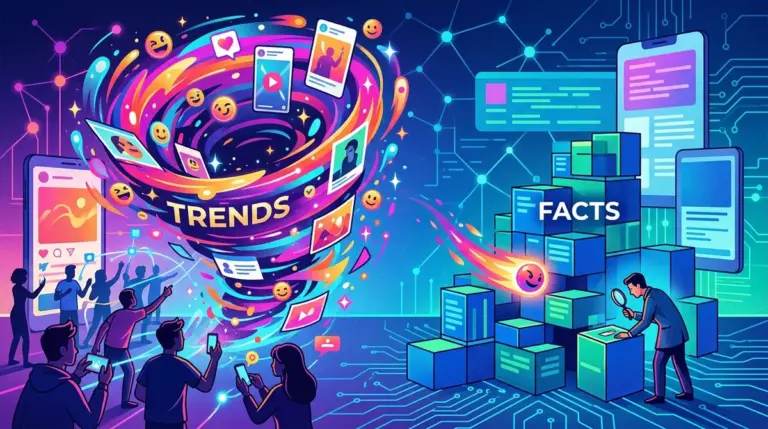
Mainstream marketing is no longer a broadcast; it is a conversation where the brand is rarely the moderator. The shift from top-down messaging to participatory culture has turned memes from internet curiosities into the primary currency of the attention economy. For CMOs and digital strategists, the decision is no longer whether to engage with meme culture, but how to do so without triggering the "corporate cringe" response that destroys brand equity. Traditional advertising relies on polished perfection, but meme-driven marketing thrives on raw, high-velocity relatability that bypasses the mental ad-blockers of modern consumers. This rapid dissemination highlights why trends spread faster online than factual information, a key challenge for marketers.
The Arbitrage of Attention Through Mimetic Velocity
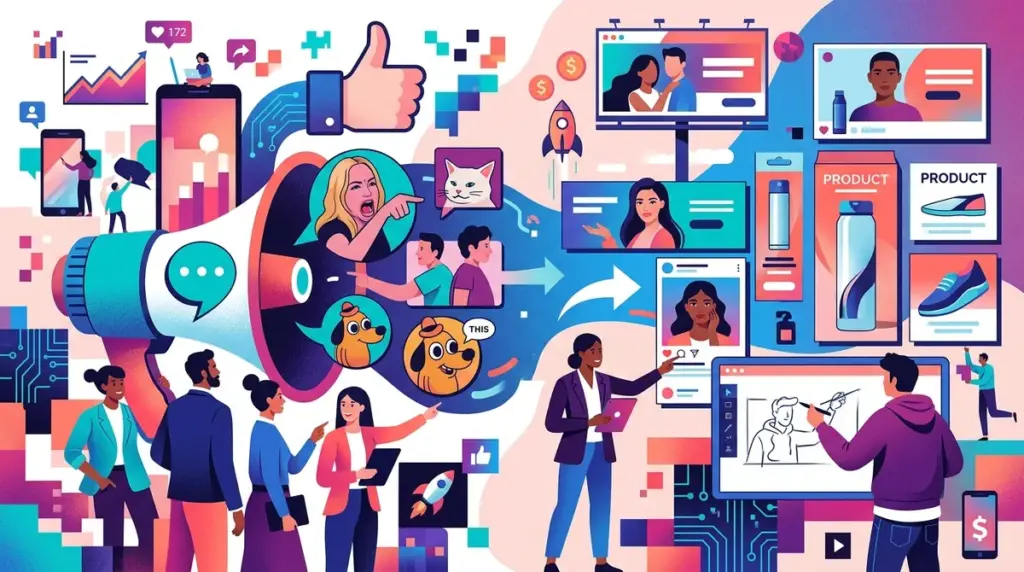
Memes function as a form of cultural shorthand. They allow brands to communicate complex emotional states or social critiques through a single image macro or a 15-second audio clip. The commercial value lies in "mimetic velocity"—the speed at which an idea spreads because it is inherently designed to be shared and modified. Unlike a traditional billboard or a scripted TV spot, a meme is an open-source asset. When a brand successfully inserts itself into a trending format, it isn't just buying an impression; it is earning a spot in the user’s social circle.
Best for: Brands targeting Gen Z and Millennial cohorts who prioritize authenticity and "insider" knowledge over high-production value.
The efficiency of this approach is reflected in lower Customer Acquisition Costs (CAC). Organic meme content often achieves reach that would require five-figure spends in the Meta or TikTok Ads Manager. However, this efficiency comes with the requirement of speed. A meme format typically has a shelf life of 72 hours to two weeks before it reaches "peak saturation" and begins its descent into the graveyard of corporate over-use.
The Economic Reality of 'Shitposting' as a Strategy
In the startup and creator economy, "shitposting"—the act of posting low-effort, irony-laden, or provocative content—has become a legitimate tactical pillar. Brands like RyanAir, Duolingo, and Wendy’s have pioneered a voice that is self-deprecating and occasionally aggressive. This strategy works because it humanizes the corporation. It signals that there is a person behind the account who understands the internet’s specific brand of nihilistic humor.
Identifying High-Utility Meme Formats
Not all memes are created equal for commercial use. Marketers must distinguish between three primary types:
- Static Image Macros: High-context photos with bold text (e.g., the "Distracted Boyfriend" style). These are best for quick reactive commentary on Twitter/X or LinkedIn.
- Short-Form Video Trends: Audio-driven templates on TikTok and Reels. These require the brand to participate in a physical or edited "challenge" or "POV."
- Absurdist/Surrealist Content: Deep-fried images or non-sequiturs that signal high-level internet literacy. This is high-risk but offers the highest reward for building a cult-like following.
The transition from "brand-as-authority" to "brand-as-peer" requires a fundamental restructuring of the social media approval process. If a meme needs to go through three layers of legal and brand compliance, it will be dead by the time it is cleared for posting.
Warning: Never use a meme featuring a private individual’s likeness for a paid advertisement without a clear licensing agreement. While organic "fair use" is a gray area, putting ad spend behind a person’s face without their permission is a fast track to a Right of Publicity lawsuit.
Navigating the Risk of Corporate Cringe
The "Fellow Kids" phenomenon occurs when a brand uses a meme incorrectly, late, or in a way that feels forced. This isn't just a social faux pas; it is a signal of cultural irrelevance. To avoid this, marketing teams must empower "digital natives" to act with autonomy. The most successful meme-driven brands do not have a social media manager; they have a cultural correspondent who is embedded in the communities they are targeting.
Contextual Integrity vs. Viral Reach
There is a temptation to jump on every trending sound or format to juice the algorithm. This is a mistake. If a luxury skincare brand uses a "trashy" meme format, it may gain 100,000 views but lose the trust of its core demographic. Every meme must pass the "Contextual Integrity" test: Does this format align with the brand’s underlying value proposition, or is it just noise? The goal is to be "in on the joke," not to become the joke itself.
The ROI of Self-Deprecation and Irony
Mainstream marketing has historically been allergic to admitting faults. Meme culture, however, rewards vulnerability. When a brand acknowledges a common complaint—like a software bug or a long wait time—through a meme, it disarms the critic. This "ironic distance" allows a company to control the narrative of its own shortcomings. By making the joke first, the brand prevents the internet from making the joke at their expense.
This approach also builds "community moats." When followers engage with a brand's memes, they are participating in a shared language. This creates a psychological sense of belonging that traditional loyalty programs cannot replicate. The metrics for success here are not just clicks, but "remixability"—how many people took your content and made their own version of it?
Integrating Meme Literacy into the Marketing Stack
To move beyond sporadic viral hits and into a sustainable meme strategy, agencies and internal teams must treat cultural trends with the same analytical rigor as SEO or PPC. This involves monitoring "signal" platforms like Reddit, Discord, and niche TikTok subcultures before they hit the mainstream.
The workflow should look like this:
1. Trend Identification: Using social listening tools to find emerging audio or visual patterns.
2. Brand Alignment: Determining if the trend can be subverted to highlight a product benefit.
3. Rapid Execution: Producing low-fidelity content within hours, not days.
4. Engagement: Participating in the comments section to keep the conversation alive.
Mainstream marketing is no longer about the big reveal; it is about the continuous, iterative loop of cultural participation. The brands that win are those that stop acting like advertisers and start acting like creators.
Meme Strategy FAQ
How do we measure the ROI of meme marketing?
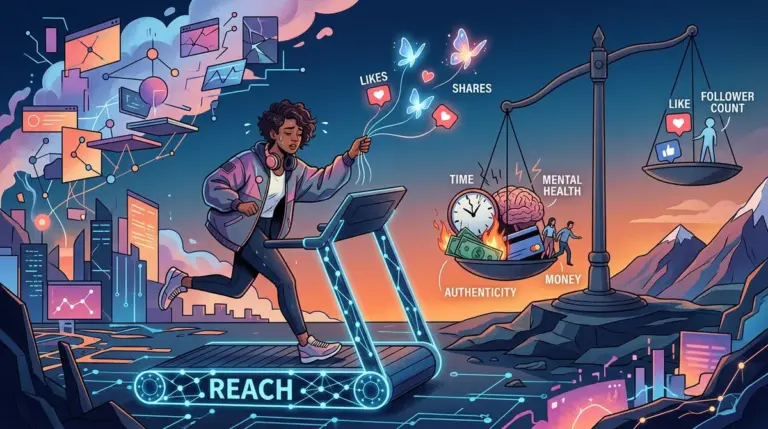
While direct conversion tracking is possible through link-in-bio tools, the primary ROI of memes is found in "Share of Voice" and organic reach. Look for a decrease in blended CAC and an increase in branded search volume following a successful viral cycle. Understanding the real cost of chasing reach is vital for accurately assessing the ROI of these viral campaigns.
Is meme marketing appropriate for B2B brands?
Yes, but the context shifts. B2B memes should focus on "industry-specific pain points" that only your target professionals would understand. This proves you understand their daily reality better than a generic competitor does.
What is the biggest mistake brands make with memes?
Explaining the joke. If a meme requires a caption that explains why it’s relevant to your product, the meme has failed. Memes rely on the "aha!" moment of recognition; if you remove that, you're just posting a bad ad.
How do we handle negative memes about our brand?
Do not send a cease and desist unless it is a clear trademark violation. The "Streisand Effect" ensures that trying to suppress a meme only makes it more popular. Instead, lean into it with a self-aware response or a counter-meme that acknowledges the critique.