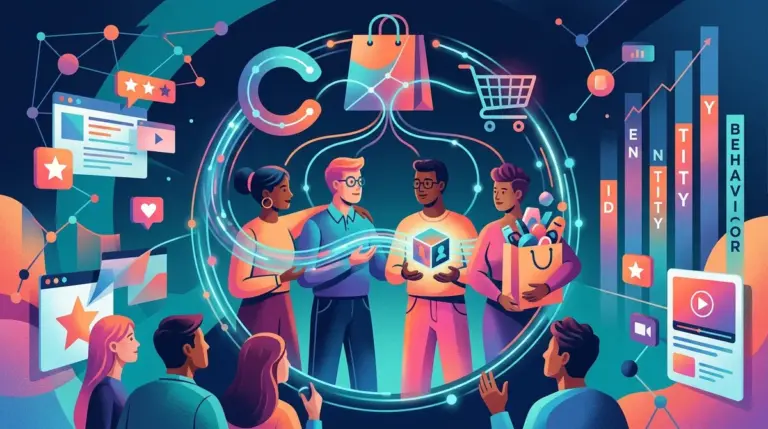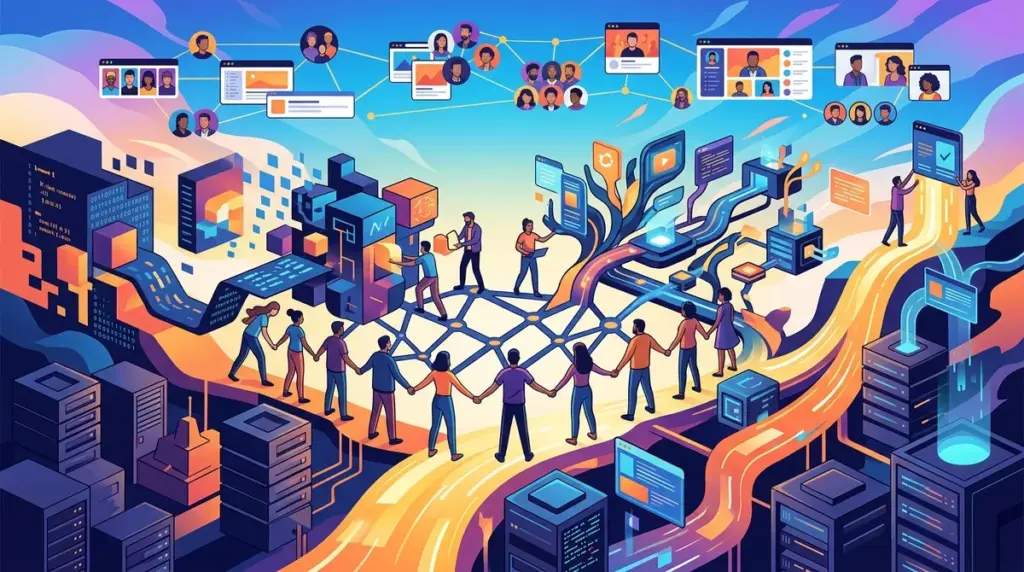
The era of buying attention through aggressive ad spend is hitting a ceiling of diminishing returns. Customer Acquisition Cost (CAC) is rising across every vertical, while the efficacy of traditional performance marketing is diluted by privacy regulations and platform saturation. Community-Led Growth (CLG) has emerged not as a "soft" marketing tactic, but as a hard-coded business strategy designed to lower CAC and increase Lifetime Value (LTV) by turning users into a decentralized sales and support force. For startups and publishers, the shift represents a transition from a linear funnel to a compounding ecosystem where the product is the entry point, but the network is the retention mechanism.
The Economics of Community vs. Performance Marketing
Traditional growth models rely on a "leaky bucket" approach: you pour capital into Google and Meta to drive traffic, convert a percentage, and hope the churn doesn't outpace the acquisition. Community-Led Growth flips this by creating a feedback loop where existing users create the value that attracts new users. This isn't about hosting a forum; it is about building a moat where the cost of a user leaving is the loss of their professional or social network within your space.
Best for: SaaS companies with high-complexity products, niche publishers, and creator-led brands looking to reduce reliance on algorithm-dependent distribution.
When a community is integrated into the growth engine, it serves three primary commercial functions:
- Reduced Support Overhead: Peer-to-peer troubleshooting in Discord or Slack channels reduces the volume of tickets hitting your internal team.
- High-Fidelity Product Feedback: Instead of expensive focus groups, brands get real-time data on feature friction and market needs directly from power users.
- Zero-Marginal-Cost Content: User-generated discussions, tutorials, and templates provide a continuous stream of indexable content that attracts long-tail search traffic.
The Transition from Audience to Ecosystem
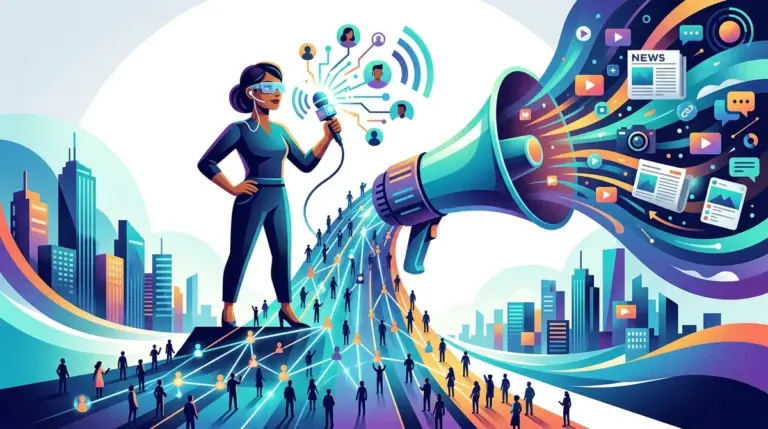
An audience is a one-way broadcast; a community is a multi-directional exchange. For publishers and SEO professionals, this distinction is critical. An audience consumes a piece of content and leaves. A community consumes the content, debates it, and then creates their own derivative works. This creates "network effects"—a concept where every new member increases the value of the service for every other member. If you are a technical SEO agency, your "audience" reads your blog. Your "community" shares their custom Python scripts in your Slack group, making your brand the epicenter of their professional development.
Infrastructure Choices: Discord, Slack, or Owned Platforms
The technical stack you choose dictates the culture and the commercial outcome of the community. There is no "best" platform, only the platform that aligns with your user's existing workflow. Selecting the wrong one creates friction that kills engagement before it starts.
Discord: Best for high-velocity engagement, creators, and developer-centric tools. It supports voice, video, and sophisticated bot integrations for automated onboarding. However, it can feel too "noisy" for corporate B2B environments.
Slack: The standard for B2B and professional networking. It integrates seamlessly with the tools your customers already use (Jira, Salesforce, Trello). The downside is the prohibitive cost of archiving messages in the free version, which can wipe out your community’s historical knowledge base.
Circle or Mighty Networks: Best for structured learning, courses, and premium memberships. These platforms offer better SEO indexing than Discord or Slack, as the content can be made public and crawled by search engines, turning community discussions into organic search magnets.
Warning: Do not launch a community unless you have a dedicated moderator or community manager. A "ghost town" community—one where questions go unanswered for 48 hours—is a net negative for your brand. It signals a lack of support and can actually increase churn rather than prevent it.
Measuring the ROI of Community-Led Growth
The biggest hurdle for CLG is attribution. CFOs often struggle to see the line between a vibrant Discord server and a closed-won deal. To justify the investment, you must move beyond "vanity metrics" like total member count and focus on behavioral data that correlates with revenue.
Key performance indicators for CLG include:
- Community-Qualified Leads (CQLs): Users who have reached a specific engagement threshold (e.g., answering three peer questions) before entering the sales funnel.
- Time to Value (TTV): Does community participation decrease the time it takes for a new user to reach their "Aha!" moment with your product?
- Expansion Revenue: The percentage of upsells that originate from community interactions or peer recommendations within the group.
- Churn Deflection: Comparing the retention rates of community members versus non-members over a 12-month period.
Integrating CLG into your SEO Strategy
For publishers and marketers, the most tangible benefit of CLG is the creation of a "content moat." As AI-generated content floods the SERPs, unique, human-led perspectives become the only way to stand out. Community discussions provide a goldmine of "Information Gain"—the specific, non-obvious insights that Google’s latest helpful content updates prioritize. By surfacing community insights in your public-facing articles, you provide value that a generic AI summary cannot replicate.
Building the Community Moat
To implement CLG effectively, start by identifying your "Superusers." These are the 1% of your audience who already advocate for your brand without being asked. Give them exclusive access, early feature releases, and a direct line to your product team. This creates a sense of ownership that transforms them from customers into stakeholders. Next, audit your existing customer journey to find friction points where peer support could replace a support ticket. Finally, ensure your community content is being recycled into your marketing channels; a testimonial or a clever use-case shared in a private channel is often more persuasive than a polished case study. The goal is not to build a social club, but to build a self-sustaining engine that drives product adoption and brand loyalty through the power of the network.
Frequently Asked Questions
How does Community-Led Growth differ from Product-Led Growth?
Product-Led Growth (PLG) relies on the product itself as the primary driver of acquisition and expansion (e.g., a freemium model). Community-Led Growth (CLG) wraps around the product, using the network of users to provide the education, support, and social proof that the product alone cannot offer. CLG often accelerates PLG by shortening the learning curve for new users.
Can CLG work for service-based agencies?
Yes. Agencies can use CLG to position themselves as thought leaders. By hosting a community where clients and prospects can discuss industry trends, the agency moves from being a "vendor" to being the facilitator of a professional network, which significantly increases client retention and referral rates.
Is it better to have a public or private community?
This depends on your goals. Public communities (like Reddit or indexed forums) are superior for SEO and top-of-funnel awareness. Private communities (like Slack or gated Discord servers) offer a higher "signal-to-noise" ratio and create a sense of exclusivity, which is better for deep product feedback and high-level networking.
What is the biggest mistake brands make with CLG?
Treating the community as a secondary sales channel. If a brand uses its community primarily to blast promotional messages and sales pitches, users will leave. A successful community must provide more value to the members than it extracts for the brand.