
Startup culture still shapes the future of the internet because it determines what gets built, how products reach users, and which business models become normal online. From creator tools and AI assistants to new social platforms and commerce infrastructure, startups are often the first place where internet behavior turns into internet business. Big tech may scale habits globally, but startups usually spot the shift earlier, package it faster, and pressure the rest of the market to follow.
Why startup culture matters beyond Silicon Valley mythology
The phrase “startup culture” can sound like a leftover from pitch decks, growth hacks, and office perks. But the useful part of startup culture was never the aesthetics. It was the operating model: move fast on emerging behavior, test distribution cheaply, and build around unmet digital demand before incumbents react.
That model still matters because the internet keeps changing at the edges first. New creator workflows, niche communities, payment behaviors, AI use cases, and media formats rarely begin inside large, highly structured companies. They begin with small teams willing to launch unfinished products, learn in public, and chase markets that do not yet look large on paper.
For readers, operators, and founders, this matters for one simple reason: if you want to understand where the internet is going next, watch what startups are trying to solve before those solutions become mainstream categories.
Startups turn online behavior into products faster than incumbents
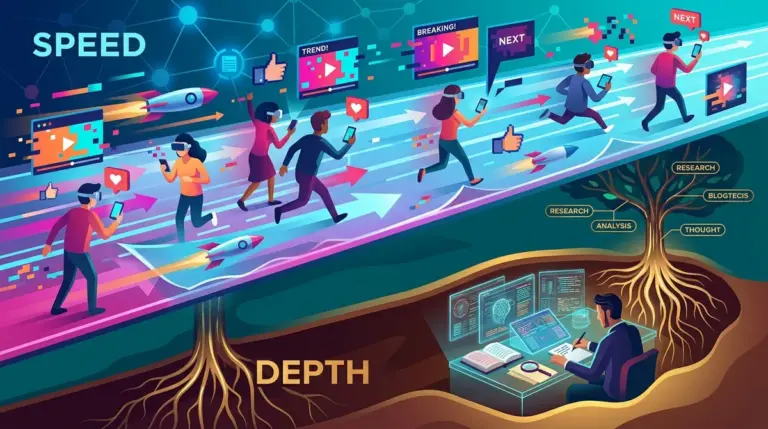
The internet evolves through behavior shifts: people start searching differently, posting differently, buying differently, or earning differently. Startup culture is built to notice those shifts early and convert them into products.
They build around emerging habits
When creators needed lightweight editing, scheduling, monetization, and audience analytics, startups moved faster than legacy media software firms. When independent sellers wanted direct checkout, subscription access, and community-led commerce, startups created tools that reduced friction in hours, not quarters. When AI changed what users expected from search, design, coding, and customer support, startups shipped specialized interfaces immediately.
This speed matters because internet markets often reward the company that defines user expectations first. Even when a startup does not become the final winner, it often establishes the product pattern everyone else copies.
They are structurally better at experimentation
Large companies optimize existing revenue. Startups optimize learning. That difference is why startup culture remains so influential. A startup can test a niche product for fandom analytics, digital collectibles, short-form video tooling, or AI-powered research without needing broad internal consensus. If the market responds, the company expands. If not, it pivots. The internet is full of categories that began as small experiments and became standard infrastructure later.
The creator economy is one of the clearest proofs
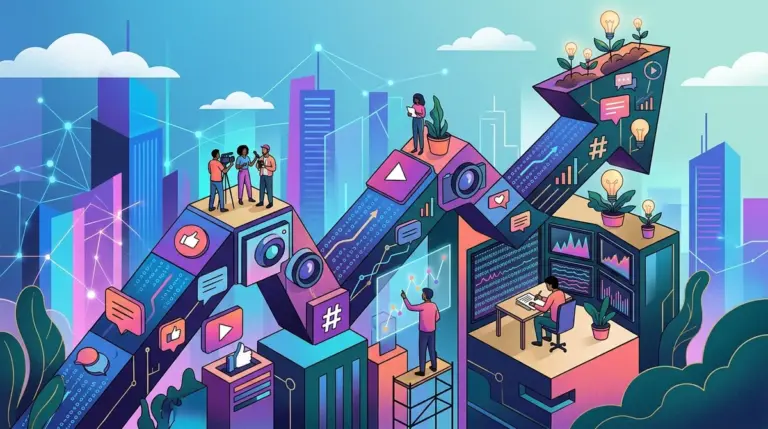
If you want a practical example of startup culture shaping the internet, look at the creator economy. The modern creator business did not emerge because platforms suddenly became generous. It emerged because startups built the missing layers between audience attention and sustainable income.
Creators needed more than reach. They needed ownership, monetization, workflow tools, and direct customer relationships. Startups stepped in with products for memberships, newsletters, storefronts, link-in-bio commerce, digital products, audience CRM, sponsorship management, and community hosting.
That changed the internet in several ways:
- It made independent publishing financially viable for more people.
- It shifted power from pure platform distribution to owned audience channels.
- It normalized niche media businesses with small but valuable communities.
- It turned creators into software buyers, operators, and digital entrepreneurs.
For brands and media companies, this shift created a new commercial reality. Attention no longer lives only on giant platforms. It moves through creator-led ecosystems supported by startup-built tools. Any business trying to reach internet-native audiences now has to understand that stack.
Startup culture influences internet business models, not just products
One reason startup culture remains so powerful is that it does not only produce apps. It produces monetization logic. Many of today’s standard internet business models were refined or popularized by startups willing to challenge old assumptions.
Subscription became a default digital habit
Consumers now routinely pay recurring fees for software, media, communities, creator access, and premium digital services. That normalization came from years of startup experimentation around convenience, retention, and direct value exchange. The result is an internet where recurring revenue is often more important than pageviews alone.
Direct-to-consumer infrastructure changed online commerce
Startups helped make it easier for small brands and solo operators to launch stores, manage payments, automate fulfillment, and build lifecycle marketing. That lowered the barrier to entry for internet commerce and expanded who could become a digital business owner.
Freemium and product-led growth reshaped user acquisition
Instead of relying entirely on sales teams or expensive brand campaigns, many internet businesses now let users experience value first and upgrade later. This startup-driven approach changed expectations across software, collaboration tools, design products, and creator platforms. Users increasingly expect immediate access, intuitive onboarding, and self-serve adoption.
Internet culture now rewards startup-style distribution
Distribution used to be treated as a later-stage problem. Startup culture helped make it central from day one. That shift has had a lasting effect on the internet because product quality alone rarely guarantees attention.
Today, startup-style distribution shows up everywhere: founder-led content, community seeding, waitlists, referral loops, short-form video explainers, user-generated demos, and niche influencer partnerships. These are not just marketing tactics. They are ways of building internet-native trust.
In practice, the companies shaping online culture are often the ones that understand how products spread socially. A tool becomes visible because creators showcase it. A commerce brand grows because a community adopts it. A platform gains traction because users turn onboarding into content. Startup culture trained internet businesses to treat distribution as part of product design.
AI is accelerating the importance of startup culture
The current AI wave makes startup culture even more relevant, not less. When foundational technology changes quickly, smaller teams often have an advantage in packaging it into useful consumer and business experiences.
Startups are translating AI into real workflows
Many users do not want raw models. They want outcomes: better writing, faster editing, cleaner research, automated support, smarter analytics, easier coding, or more efficient content production. Startups are winning attention by turning technical capability into practical workflow products.
They can target narrow, valuable use cases
Some of the best AI businesses are not broad “everything apps.” They are focused tools for sales teams, creators, recruiters, marketers, legal operators, or ecommerce managers. Startup culture is especially good at identifying these narrow but commercially meaningful use cases before larger players build generalized versions.
For investors, operators, and publishers, this is the pattern to watch: the future of the internet is often defined not by the deepest technology alone, but by the fastest translation of that technology into daily behavior.
What startup culture gets wrong, and why it still matters
Startup culture has obvious flaws. It can overvalue speed, glamorize disruption, underplay labor issues, and confuse growth with durability. Internet history is full of overhyped products, inflated narratives, and business models that collapsed once cheap capital disappeared.
Still, even its failures are informative. Failed startups reveal where demand was weak, where user behavior was misunderstood, and where infrastructure was not ready yet. In that sense, startup culture functions as a live testing layer for the internet. It surfaces future possibilities, even when individual companies do not survive.
The practical takeaway is not to romanticize startups. It is to read them correctly. Watch which problems founders keep returning to, which user groups attract repeated product innovation, and which tools become indispensable to creators, communities, and digital businesses. Those patterns often matter more than any single company valuation.
How to use startup signals to understand where the internet is heading
For Pop17 readers tracking tech culture and digital business, startup culture is most useful as an early signal system. Instead of following hype alone, look for concrete indicators that a startup trend is becoming an internet shift.
Useful signals to watch
- Creators are adopting a tool as part of their weekly workflow, not just testing it once.
- Niche communities are building identity around a platform or product.
- Users are willing to pay, not just sign up.
- Competing startups are clustering around the same problem.
- Large platforms begin copying startup features or acquiring adjacent tools.
- New jobs, agencies, or service businesses appear around the category.
These signals are commercially useful because they help founders, marketers, media operators, and investors separate temporary internet noise from durable opportunity.
Why this still matters for brands, founders, and media companies
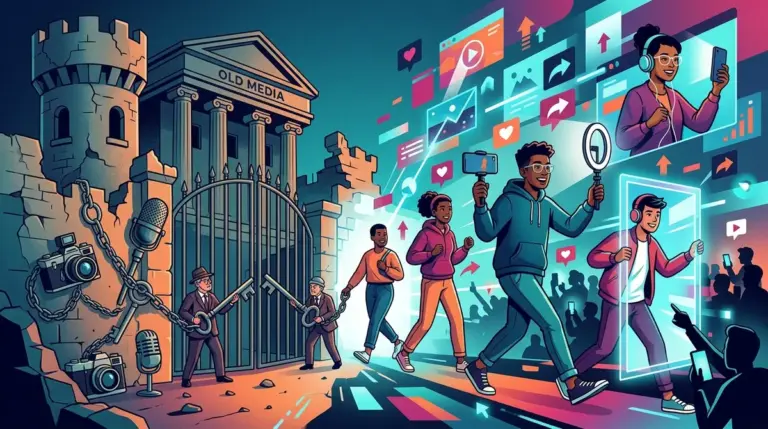
Startup culture continues to shape the future of the internet because it influences the tools people use, the ways audiences gather, and the models businesses rely on to grow online. For brands, that means new channels and changing consumer expectations. For founders, it means opportunities still emerge from overlooked behavior before they become obvious markets. For media companies, it means the next major shift in attention often begins outside legacy institutions.
The smartest way to read the internet today is not to ask only what the biggest platforms are doing. It is to ask what small, ambitious teams are building for creators, communities, and digital operators right now. That is often where the next version of online life starts.