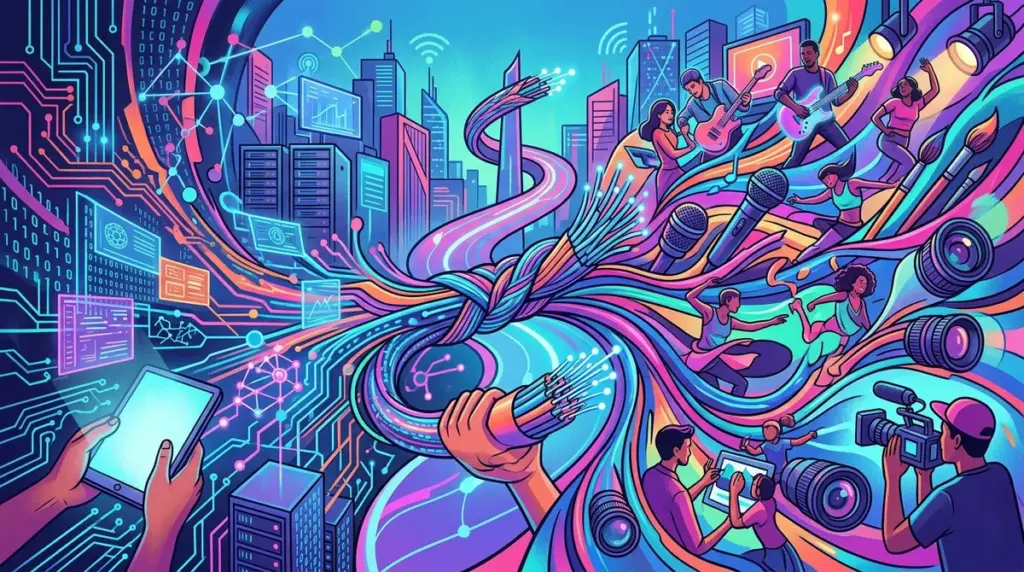
The distinction between a media company and a software firm has effectively dissolved. Ten years ago, entertainment was a product delivered via technology; today, technology is the substrate upon which all entertainment is built, optimized, and monetized. For agencies and digital publishers, this shift isn't just a trend to observe—it is a fundamental change in the unit economics of attention. If your strategy treats "content" as a separate silo from "tech stack," you are likely overpaying for customer acquisition while under-delivering on retention.
The Algorithmic Pivot from Search to Discovery
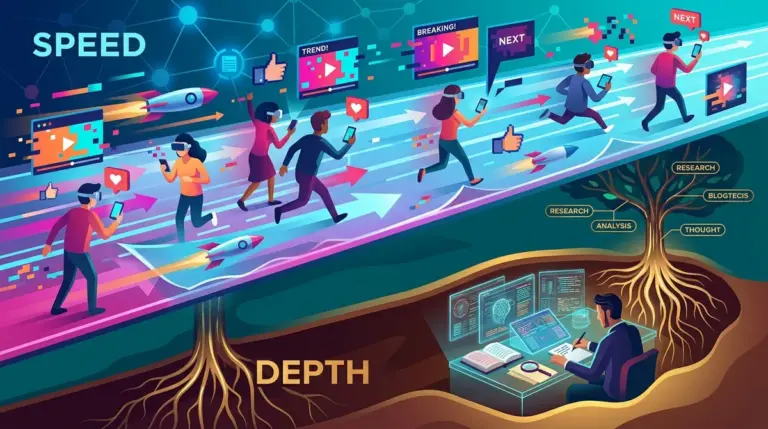
The legacy model of digital entertainment relied on intent. Users searched for a specific movie, article, or game, and platforms served it. Modern entertainment operates on a discovery-first model driven by recommendation engines that function as high-frequency trading systems for human attention. This shift has turned entertainment into a data-science problem. Platforms like TikTok and YouTube do not just host video; they process billions of signals—dwell time, rewatch rates, and scroll velocity—to dynamically reconfigure the user experience in real-time.
Best for: Performance marketers looking to lower CAC by aligning creative assets with platform-specific algorithmic triggers rather than broad demographic targeting.
To compete in this environment, brands must treat their creative output as iterative software. This means A/B testing thumbnails with the same rigor as a checkout flow and understanding that the "hook" of a video is essentially a conversion optimization task. The linkage here is technical: the metadata and engagement signals generated by the entertainment content feed the machine learning models that dictate the brand's reach.
The Creator Stack as Enterprise Infrastructure
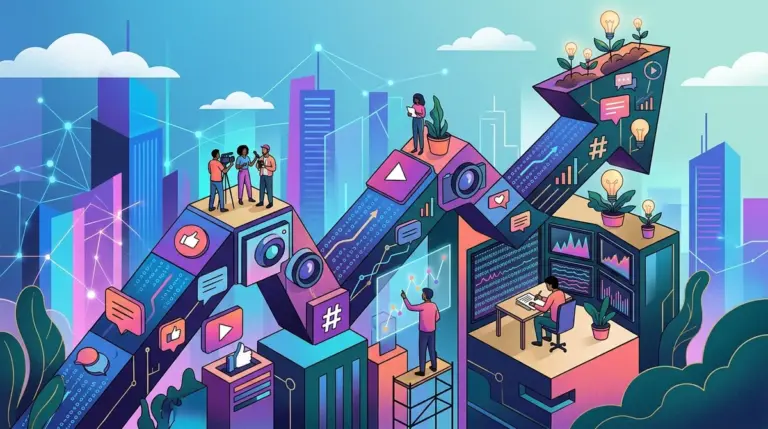
We are seeing the "SaaS-ification" of the creator economy. Individual creators and mid-sized media houses are no longer just using tools; they are building integrated stacks that include CRM, fintech, and headless CMS capabilities. The link between entertainment and technology is most visible in how creators manage their "owned" versus "rented" audiences.
- Direct-to-Consumer (DTC) Video: Moving beyond YouTube to proprietary apps (using platforms like Uscreen or Vimeo OTT) to capture first-party data.
- Token-Gated Communities: Utilizing blockchain technology to manage membership access, ensuring that the most loyal fans have a verifiable, portable identity.
- Automated Content Repurposing: Using AI-driven tools to slice long-form podcasts or streams into platform-optimized "micro-content," maximizing the ROI of a single production session.
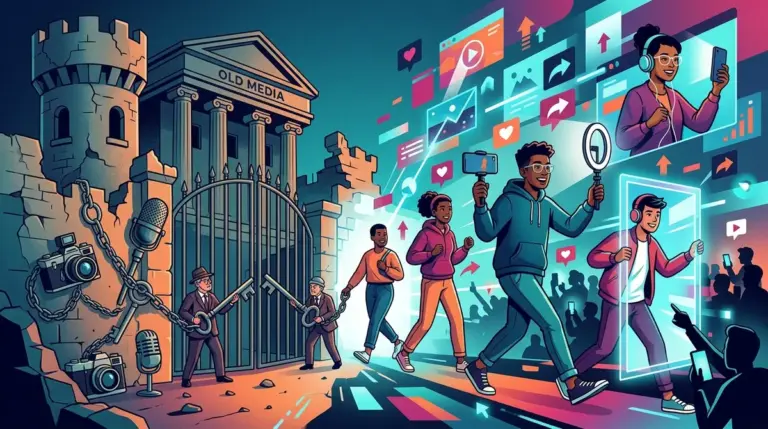
For agencies, the opportunity lies in managing this complexity. A brand’s "entertainment" wing now requires a CTO as much as a Creative Director. The technical ability to sync a Discord community with a Shopify backend and a localized email sequence is what separates high-growth creator brands from stagnant legacy publishers.
The Rise of Real-Time Rendered Marketing
The convergence of gaming engines and traditional video production is another critical link. Unreal Engine and Unity are no longer just for game developers; they are being used for virtual production in film and high-end commercial advertising. This allows for "post-production" to happen during the shoot, reducing lead times and allowing for hyper-personalized video content that can be adjusted based on the viewer's regional data or preferences.
Warning: Organizations that fail to own their audience data—relying solely on social media "followers"—are building on rented land. As privacy regulations tighten and third-party cookies disappear, the technical integration of your entertainment platform with a robust first-party data strategy is the only way to ensure long-term viability.
Data as the Scriptwriter: The Netflix and Spotify Model
Entertainment is now a feedback loop. When Spotify Wrapped goes viral every December, it isn't just a marketing campaign; it is a demonstration of how deeply integrated data processing is with the user’s emotional connection to music. Technology allows entertainment to be personalized at a scale that was previously impossible. This is "Programmatic Creativity."
Netflix famously uses data not just to recommend what you should watch, but to decide which shows to greenlight and which specific frames to show you as a preview. If the data shows you prefer romance, your "Stranger Things" thumbnail might feature two characters in a quiet moment; if you prefer action, it might show a monster. This is the ultimate link: technology dictates the visual and narrative entry points of the entertainment itself.
Operationalizing the Tech-Entertainment Convergence
To leverage this linkage, businesses must move away from static content calendars and toward dynamic content ecosystems. This involves three specific actions:
First, audit your "Content-to-Commerce" pipeline. If a user enjoys a piece of entertainment you’ve produced, the technical path to a transaction (whether that’s a newsletter sign-up or a product purchase) must be frictionless and tracked via server-side tagging to avoid data loss from ad-blockers or privacy updates.
Second, invest in "Middle-of-the-Funnel" tech. Most brands are good at top-of-funnel (social media) and bottom-of-funnel (sales). The link between tech and entertainment is strongest in the middle—webinars, interactive tools, and gated video series—where engagement can be measured and scored to identify high-intent leads.
Finally, prioritize low-latency interaction. Whether it is live-streaming commerce or real-time community management, the "tech" side must support the "entertainment" side by ensuring the infrastructure can handle spikes in traffic and provide sub-millisecond response times for interactive elements. Engagement dies in the face of a loading spinner.
Frequently Asked Questions
How does the shift to interest-based algorithms affect SEO?
Traditional SEO is becoming "Platform SEO." You are no longer just optimizing for keywords in a search bar; you are optimizing for the recommendation engine's "Watch Next" or "For You" feed. This requires a technical understanding of how platforms categorize content based on transcriptions, visual markers, and user retention graphs.
Is high-end production value still necessary?
Technology has democratized high-quality production, but "authenticity" often outperforms "glossy." The link between tech and entertainment now favors high-frequency, high-relevance content over expensive, one-off productions. The "tech" should be used to increase volume and personalization rather than just visual fidelity.
What is the biggest technical hurdle for entertainment-led brands?
Data fragmentation. Most brands have their engagement data in one silo (social media), their customer data in another (CRM), and their sales data in a third (ERP). The biggest hurdle is creating a "Single Source of Truth" that allows the creative team to see exactly which pieces of entertainment are driving the highest Lifetime Value (LTV).
How will Generative AI change this linkage?
Generative AI will act as a force multiplier. It allows for the mass-production of "synthetic media" that can be tailored to individual users. The challenge will be maintaining brand integrity and human connection in an era where the cost of content production drops to near zero, making the "tech" of curation and distribution even more valuable than the "tech" of creation.