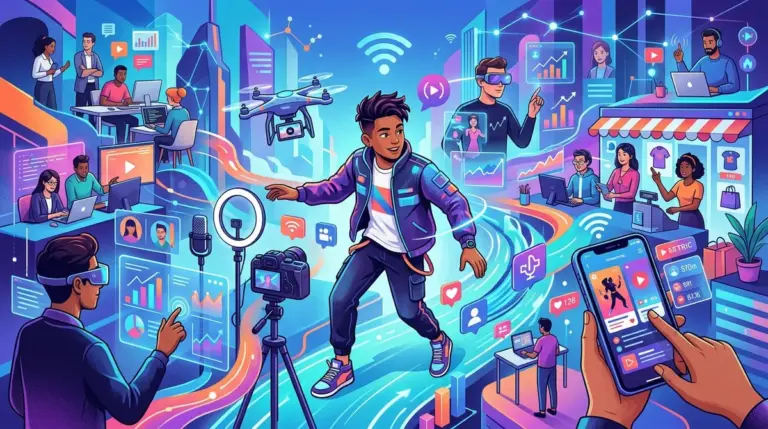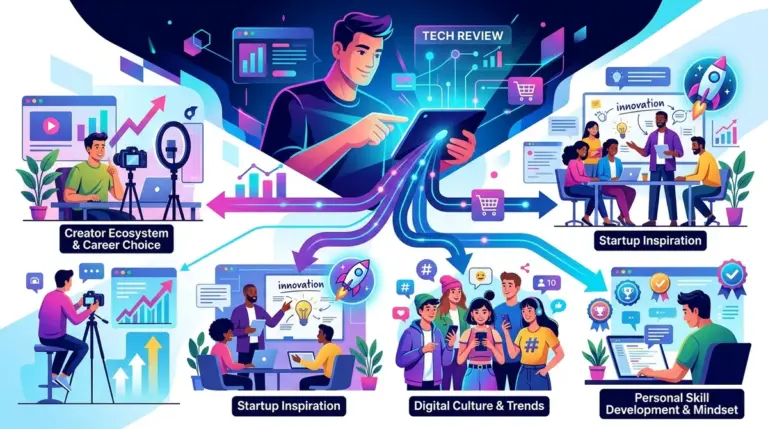
Consumer technology is the primary engine of global search volume, dictating not just what people buy, but how they communicate, search, and perceive digital value. For marketers and publishers, treating a new smartphone release or a wearable category launch as a mere product update is a strategic error. These events represent shifts in the underlying infrastructure of the internet. When hardware changes, user behavior follows, creating massive opportunities for attention arbitrage and new search intent that traditional evergreen content cannot capture. Understanding emerging consumer technology trends is therefore not just about product cycles, but about anticipating fundamental shifts in how people interact with the digital world.
The Seasonal Gravity of Hardware Releases
The annual cycle of consumer electronics—led by the likes of Apple, Samsung, and Nvidia—creates predictable, high-velocity search spikes that dominate the digital landscape for months. This isn't just about "best of" lists; it is about the ecosystem of queries that orbit a major launch. A new iPhone doesn't just trigger searches for the device itself; it triggers a cascade of intent regarding software compatibility, peripheral hardware, trade-in values, and instructional "how-to" content for new features.
Best for: Publishers looking to capture high-intent traffic during Q3 and Q4 cycles when consumer spending and search volume peak simultaneously.
To capitalize on this, agencies must move beyond reactive reporting. The most successful digital strategies involve "pre-intent" mapping—creating content frameworks based on credible leaks and supply chain data months before a product hits the shelves. By the time the official keynote occurs, the authority on the topic has already been established in the eyes of search algorithms.
Spatial Computing and the Redefinition of Local Search
The transition from mobile-first to spatial-aware computing, driven by devices like the Vision Pro and Meta Quest, is fundamentally changing the metadata requirements for digital businesses. We are moving away from flat, two-dimensional search results toward immersive, context-aware information retrieval. For a brand, this means that 3D assets and spatial mapping data are becoming as important as traditional H2 tags and meta descriptions.
As these devices become more mainstream, "local search" will evolve into "proximity-based interaction." A user wearing AR glasses won't type "coffee shop near me"; they will look at a storefront and expect an immediate overlay of reviews, menus, and wait times. This shift requires a radical rethink of how local SEO and schema markup are implemented, prioritizing real-time data feeds over static business listings.
Warning: Avoid the "leak trap" in tech journalism. While reporting on rumors drives short-term traffic, search engines are increasingly penalizing sites that rely on speculative content without original reporting or expert synthesis. Always anchor speculative pieces with technical analysis to maintain topical authority.
The Creator Infrastructure Moat
Consumer tech drives conversation because it is the literal infrastructure of the creator economy. The tools used to produce content—high-end mirrorless cameras, mobile editing suites, and AI-integrated microphones—are themselves massive drivers of search and social engagement. This creates a feedback loop: creators use new tech to make content, which in turn inspires their audience to search for that specific tech.
- Niche Hardware Adoption: Specialized tools like mechanical keyboards or high-end audio interfaces have moved from enthusiast forums to mainstream search trends, driven by "desk setup" and "get ready with me" (GRWM) content.
- AI-Integrated Silicon: The shift toward on-device AI processing (NPUs) is changing how software is marketed, moving the conversation from "cloud-based features" to "privacy-first local processing."
- The Right-to-Repair Movement: A growing segment of tech conversation focuses on sustainability and repairability, creating a new category of "how-to" content that challenges the planned obsolescence model.
For brands, this means that "tech" is no longer a vertical; it is a horizontal layer that touches every industry. A fitness brand is now a wearables brand; a home decor brand is now a smart-home integration brand. If your marketing strategy doesn't account for the hardware your audience uses to consume your content, you are missing half the equation.
Algorithmic Feed Dominance and the Death of the URL
Consumer tech has shifted the primary mode of internet discovery from the browser to the feed. Devices are now designed to bypass the traditional URL-entry method in favor of algorithmic discovery. This has profound implications for SEO and digital business. When the "conversation" happens within a closed-loop ecosystem like TikTok or Instagram, the traditional metrics of domain authority and backlink profiles become secondary to engagement velocity and shareability.
Digital publishers must adapt by treating their content as "platform-native." This means optimizing for the specific technical constraints of the device the content is viewed on—vertical video for mobile, high-bitrate audio for wearables, and interactive elements for tablets. The goal is to reduce the friction between the user's hardware and the brand's message.
Leveraging the Consumer Tech Cycle
To stay relevant in a landscape dictated by hardware shifts, businesses must adopt a more technical approach to their digital presence. This involves auditing how your site performs on the latest mobile chipsets, ensuring your assets are ready for AR integration, and monitoring hardware adoption rates within your specific demographic. Success in the modern internet is no longer just about what you say, but about how well you integrate with the devices your audience holds in their hands.
Focus on these three pillars to maintain a competitive edge:
- Technical Agility: Ensure your site architecture supports the latest web standards (like WebGPU or WebXR) as they become standard in consumer browsers.
- Ecosystem Mapping: Identify which hardware platforms your core audience uses and tailor your content delivery (e.g., Apple News, Google Discover) to those specific devices.
- Intent Anticipation: Use hardware release cycles to predict shifts in consumer behavior and search volume, building content moats around emerging technologies before they reach mass-market saturation.
Frequently Asked Questions
How do hardware updates affect my existing SEO strategy?
Hardware updates often introduce new browser capabilities or search features (like Circle to Search). If your site isn't optimized for these new interaction models, your organic visibility may drop even if your content remains high-quality. Stay updated on how new OS versions handle data privacy and ad-blocking.
Is it worth targeting "rumor" keywords for upcoming tech?
Yes, but only if you provide a unique angle or technical breakdown. High-volume rumor keywords are competitive; to rank, you need to offer more than just a rehash of a tweet. Use your industry expertise to explain the implications of the rumored features.
How does the shift to AI-integrated devices change voice search?
On-device AI makes voice assistants more capable of handling complex, multi-step queries. This means long-tail, conversational keywords are becoming more important than short, fragmented search terms. Optimize for natural language and direct answers to maintain presence in voice-driven results.