
The next wave of consumer tech will reshape digital culture less through flashy hardware launches and more through how everyday software changes behavior. The biggest shifts are already visible: AI is becoming a default layer in creation and search, devices are getting more ambient and less screen-bound, online identity is fragmenting across platforms and communities, and commerce is blending directly into content. For creators, startups, and media brands, that means the opportunity is no longer just building an audience. It is designing products, experiences, and business models that fit how people now discover, trust, share, and buy online.
AI is becoming infrastructure for culture, not just a product category
Consumer AI has moved past the novelty stage. The real story is not whether people try AI tools once, but how often those tools become part of daily habits. Writing assistants, image generators, recommendation engines, AI search summaries, and editing tools are quietly changing how culture gets made and distributed.
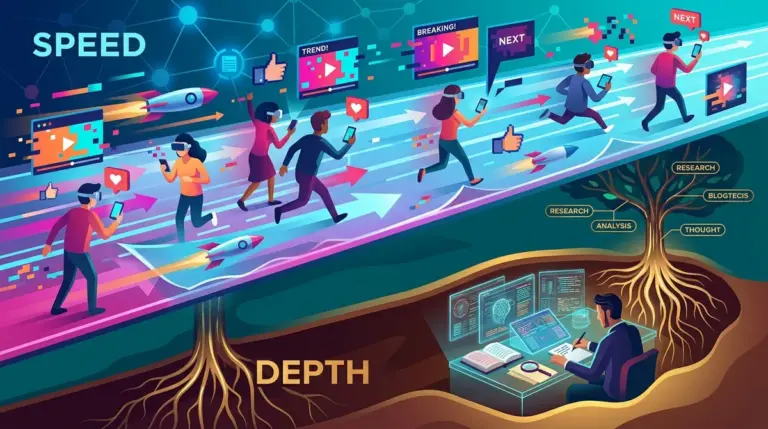
That matters because when creation gets easier, the supply of content explodes. More people can publish polished videos, launch niche newsletters, remix visual trends, and prototype digital products without a full team. The barrier to entry drops, but the bar for attention rises. In practical terms, startups and creators now compete less on production quality alone and more on taste, speed, credibility, and point of view.
What changes for creators and media brands
- Original reporting, expertise, and personality become more valuable than generic explainers.
- Fast iteration matters: teams can test formats, thumbnails, hooks, and offers at much lower cost.
- Community trust becomes a moat when audiences know AI-assisted content is everywhere.
- Search traffic becomes less predictable as AI-generated answers absorb top-of-funnel queries.
For Pop17-style businesses covering internet culture and tech, the commercial takeaway is clear: publish fewer interchangeable articles and more pieces with sourcing, perspective, and utility. AI can accelerate production, but it cannot replace a recognizable editorial voice that readers return to.
The screen is no longer the only interface that matters
The next consumer tech cycle is also about interface shifts. Phones are still central, but users are increasingly interacting through voice, wearables, cameras, sensors, and lightweight AI companions. The most important effect on digital culture is subtle: technology is becoming more ambient. Instead of opening an app and typing a command, people expect software to anticipate context, summarize information, and reduce friction.
This changes what good product design looks like. The winners will not simply add more features. They will remove steps. That could mean smarter notifications, conversational interfaces that actually save time, or devices that capture health, location, or media inputs without demanding constant attention.
Why ambient tech changes user expectations
When consumers get used to software that remembers preferences, understands natural language, and works across devices, clunky experiences feel outdated fast. Startups entering crowded categories should pay attention to this. A product that feels one step more intuitive can outperform a technically richer competitor that still behaves like a 2018 app.
For digital businesses, this creates openings in onboarding, retention, and personalization. The cultural layer matters too. Products that fit seamlessly into routines are more likely to generate screenshots, recommendations, and creator-led demos that spread organically.
Digital identity is getting more layered and more valuable
Consumer tech is also changing how people present themselves online. Users no longer maintain one stable digital identity. They move between public feeds, private group chats, anonymous accounts, subscriber communities, gaming spaces, and professional platforms. Each space has its own tone, norms, and status signals.
This fragmentation creates both challenges and opportunities. Broad social reach is harder to sustain, but niche affinity is easier to build. A creator with a smaller, highly aligned audience can often monetize better than a bigger account with weak loyalty. The same is true for startups. A product that becomes essential to one internet subculture can scale from there more effectively than a generic mass-market launch.
The business value of niche internet culture
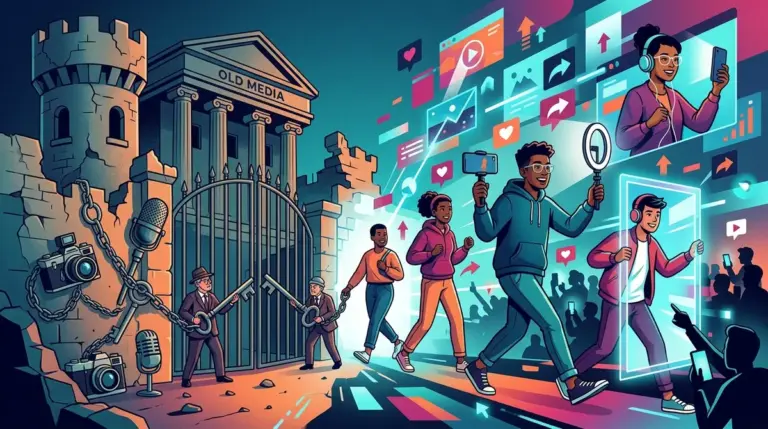
Niche communities are no longer side markets. They are often the testing grounds for mainstream behavior. Meme formats, shopping trends, creator tools, and social rituals frequently emerge in smaller circles before getting absorbed by larger platforms. Brands that understand these communities early can identify product demand before it becomes obvious.
That is especially relevant in creator economy businesses. Tools for audience management, direct monetization, collaboration, and community engagement perform best when they reflect how people actually behave in semi-private digital spaces, not just on public social feeds.
Commerce is becoming native to content
One of the clearest implications of the next consumer tech wave is that media, influence, and shopping are converging. Consumers increasingly discover products through creators, short-form video, recommendation algorithms, and trusted communities rather than through traditional ads or direct search. The line between editorial content and commercial intent keeps getting thinner.
This does not mean every brand should force commerce into every piece of content. It means businesses need to understand that discovery now happens in entertainment environments. A product mention in a useful video, a well-placed affiliate recommendation, or a creator-led walkthrough can outperform a standard campaign because it matches how users already browse.
How startups can respond
Startups selling to consumers should think beyond paid acquisition and landing pages. They need content systems that support discovery inside culture, not outside it. That can include:
- Creator partnerships built around genuine use cases rather than scripted endorsements.
- Editorial-style content that answers buying questions with real specificity.
- Short-form video assets designed for platform-native distribution.
- Community seeding in niche groups where early adopters already gather.
- Post-purchase experiences worth sharing publicly.
The commercially useful point is simple: if your product is not easy to explain, demonstrate, and recommend in-feed, it will struggle in a market where attention and commerce increasingly happen in the same place.
Search, discovery, and trust are being rewritten
For years, digital culture was shaped by platform feeds and search engines operating as separate systems. That distinction is fading. Discovery now happens through AI summaries, social search, creator recommendations, community threads, newsletters, and algorithmic video feeds. Users often want an answer, a vibe check, and a trusted recommendation all at once.
This has major implications for publishers and startups. Ranking for a keyword is no longer enough. Brands need to be discoverable across multiple surfaces and recognizable enough that users trust the result when they see it. In other words, reputation becomes distribution.
What a resilient discovery strategy looks like
Companies that adapt well tend to do three things. First, they publish content with clear expertise and strong formatting so it can travel across search, AI extraction, and social sharing. Second, they build repeatable brand signals, such as distinctive editorial framing, recognizable hosts, or proprietary data. Third, they create content that serves different discovery moments: quick answers, deeper analysis, and product-adjacent utility.
For an editorial brand like Pop17, this is where smart tech coverage can outperform commodity news. Readers do not just want updates on devices or apps. They want interpretation: what a product launch says about creator labor, startup strategy, digital identity, or the economics of internet attention.
The most promising startups will package utility with cultural fluency
The next breakout consumer tech companies will not win on engineering alone. They will understand how products move through culture. That means knowing what gets screenshotted, what creators like to demo, what communities adopt early, and what kinds of friction people now refuse to tolerate.
In practice, commercially strong consumer tech startups are increasingly defined by a mix of product quality and cultural packaging. They launch with a clear narrative, design for social proof, and build feedback loops with users who feel like participants rather than customers. This is why some products feel bigger than their feature set: they fit a moment, a mood, or a community identity.
What to watch over the next 12 to 24 months
- AI-native consumer apps that solve one recurring problem exceptionally well.
- Wearables and sensor-driven products that reduce screen time without reducing connectivity.
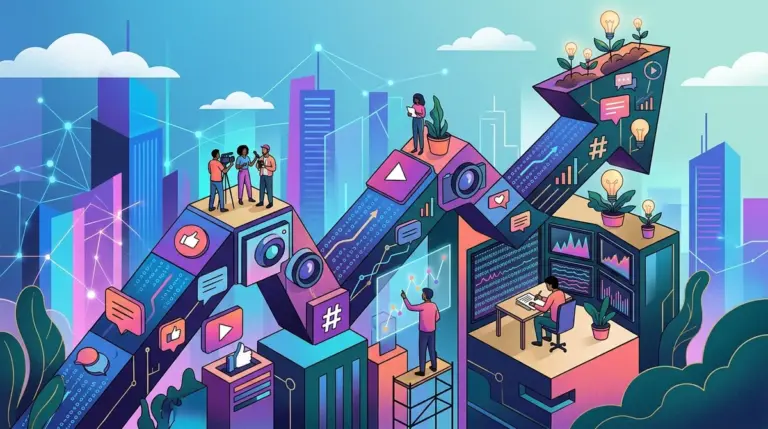
- Creator tools that combine production, distribution, and monetization in one workflow.
- Social products built around private or semi-private interaction rather than public broadcasting.
- Commerce experiences that feel like recommendations from people, not ads from brands.
The broader cultural shift is that consumer tech is becoming less about owning a device and more about participating in a system of intelligent, personalized, socially distributed experiences. For founders, creators, and media operators, the opportunity is to build for that reality now: make products easier to use, make content easier to trust, and make discovery feel native to the way people actually live online.