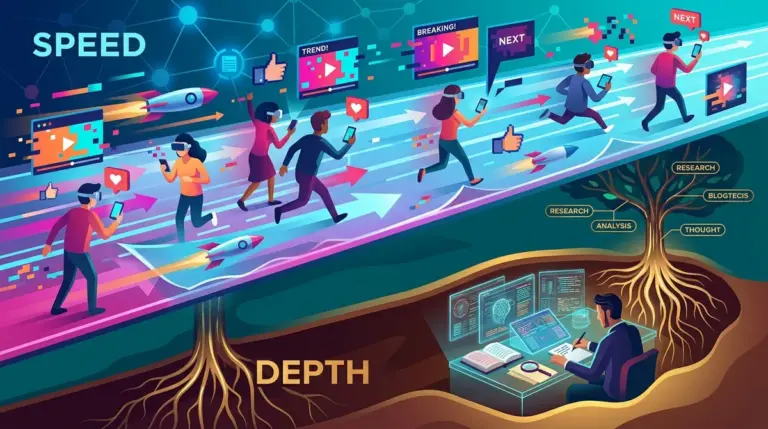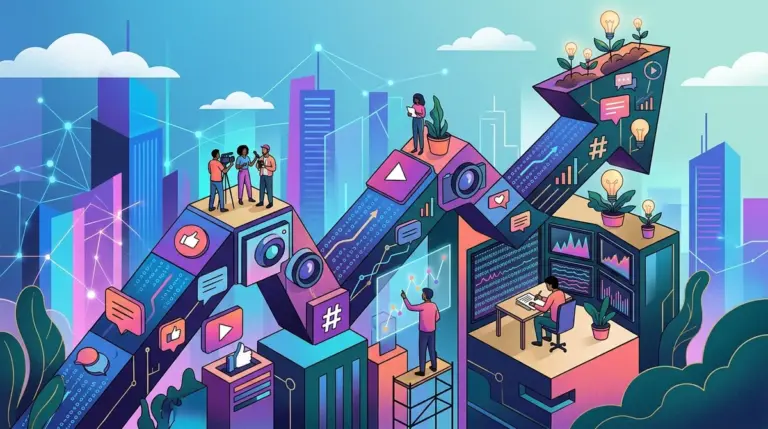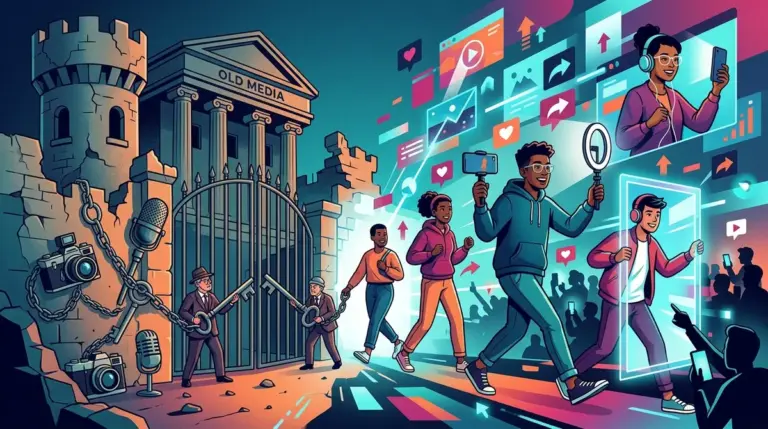

Internet culture is being reshaped right now by AI-generated media, creator-owned businesses, short-form video commerce, private online communities, algorithm-driven discovery, digital identity tools, and the mainstreaming of niche fandoms into viable markets. For founders, creators, and media operators, the opportunity is simple: build for participation, not just attention.
1. AI content is moving from novelty to infrastructure
AI is no longer just a headline generator or image gimmick. It has become part of how internet culture is produced, packaged, and distributed. Creators use it to draft scripts, remix clips, localize content, generate thumbnails, and test new formats faster than traditional production cycles ever allowed. Startups are building around that speed, offering tools for editing, voice replication, research, moderation, and audience analysis.
The cultural shift matters because audiences are getting used to hybrid media: human-led ideas, machine-assisted execution. That changes expectations around volume, personalization, and turnaround time. A solo creator can now operate like a small studio. A startup can launch a media brand with a fraction of the old overhead.
What this means commercially
- Media startups can prototype content verticals quickly before committing budget.
- Creator businesses can expand into newsletters, podcasts, clips, and digital products without hiring full teams.
- Brands that understand AI-assisted production can move faster on trend participation.
The caution is equally real: audiences still reward taste, trust, and point of view. AI can accelerate output, but it cannot replace cultural fluency. The winners will combine automation with a recognizable editorial voice.
2. The creator economy is becoming a real small-business economy
The creator economy has matured beyond sponsorships and affiliate links. Today’s top internet-native operators are building multi-revenue businesses: memberships, courses, events, merchandise, premium communities, consulting, licensing, and product collaborations. What used to look like “content creation” increasingly looks like digital entrepreneurship.
This is reshaping internet culture because audiences are no longer just fans. They are customers, collaborators, and stakeholders in niche ecosystems. A podcast can become a membership club. A meme page can become a consumer brand. A YouTube channel can become a software company or education business.
Where startups fit in
There is growing demand for infrastructure that helps creators run like businesses. That includes billing, CRM, audience segmentation, storefronts, rights management, analytics, and community tools. The next wave of creator startups will not just promise growth. They will help creators keep margins, own customer relationships, and diversify revenue.
For Pop17 readers tracking startup opportunities, this is one of the clearest signals in the market: the best creator tools are increasingly business tools.
3. Short-form video is now a commerce engine
Short-form video has evolved from pure entertainment into one of the internet’s most effective discovery and conversion channels. Product recommendations, software explainers, trend breakdowns, and creator-led reviews now drive buying behavior in real time. People do not just watch internet culture anymore. They shop through it.
This has major implications for founders and marketers. The product page is no longer the first impression. The first impression is often a clip: a face-to-camera review, a stitched reaction, a tutorial, or a meme-adjacent demonstration. In many categories, especially beauty, gadgets, productivity tools, and digital services, cultural relevance now influences conversion as much as price or features.
Practical moves for digital businesses
- Design products that demo well in under 30 seconds.
- Give creators clear hooks, visuals, and use cases to showcase.
- Track which content formats drive saves, shares, and assisted conversions, not just views.
- Build landing pages that match the language and energy of the videos sending traffic.
4. Private communities are replacing public feeds for deeper value
Public social platforms still dominate attention, but much of the real value creation has shifted into private spaces: group chats, paid communities, invite-only forums, member servers, and niche networks. That is where loyal audiences gather, insider knowledge spreads, and high-intent users convert.
This trend reflects a broader fatigue with algorithmic noise. Users want smaller, more relevant spaces where identity and trust matter. For internet culture, that means influence is becoming less visible but more powerful. A recommendation inside a tight-knit community can outperform a viral post because it carries context and credibility.
Why founders should care
Private communities are not just engagement channels. They are product research labs, retention engines, and premium monetization layers. Startups that create reasons for users to gather around a shared identity or goal can build stronger defensibility than those relying only on paid acquisition.
The smartest operators use public platforms for discovery and private spaces for conversion, loyalty, and feedback.
5. Algorithms are making niche culture more valuable, not less
One of the biggest myths about internet culture is that algorithms flatten everything into sameness. In practice, recommendation systems have made niche interests easier to surface, scale, and monetize. Micro-audiences can now support specialized creators, products, and media brands that would have struggled in the era of mass distribution.
That is why hyper-specific content keeps winning: obscure tech history, startup teardown channels, productivity setups, indie hardware reviews, AI workflow explainers, and creator-business commentary. The internet is not becoming less fragmented. It is becoming more commercially efficient at serving fragmented demand.
The startup takeaway
Founders do not always need a broad audience. They need a clearly defined one with strong intent. Niche positioning can create better retention, stronger word-of-mouth, and lower customer acquisition costs when the audience feels seen. In many cases, cultural specificity is now a growth advantage.
6. Digital identity is becoming more fluid and more monetizable
From avatars and pseudonymous accounts to professional personal brands and multi-platform personas, digital identity is increasingly modular. People present differently across platforms, communities, and contexts, and startups are building tools around that behavior. Identity is no longer static profile information. It is a layer of internet participation.
This matters because identity now drives commerce. People buy from creators they trust, subscribe to personalities they relate to, and join communities that reflect who they want to become. Even in B2B and startup circles, founder identity has become a distribution asset. A compelling online persona can attract users, investors, talent, and press faster than traditional brand marketing.
Commercial implications
Products that help users express status, taste, expertise, or belonging often gain stronger organic traction. Whether that shows up in profile design, collectible digital goods, community badges, or creator-led education, identity has become a monetizable feature rather than a side effect.
7. Internet-native brands are being built from cultural signals, not just market gaps
Some of the most interesting startups right now are not emerging from spreadsheets alone. They are emerging from subcultures, memes, creator audiences, and online behavior patterns. Founders are spotting what people obsess over, joke about, remix, complain about, and recommend, then turning those signals into products.
This is a major shift in how digital business gets built. Instead of asking only “What problem exists?” smart founders are also asking “What conversation already has energy?” That distinction matters because distribution is harder than ever. Products with built-in cultural relevance start with an advantage.
What to watch next
- Creator-led software and education brands
- Niche media companies turning audiences into commerce
- AI tools designed for specific creative workflows
- Community-first startups with strong identity layers
- Products that turn fandom and participation into recurring revenue
The broad pattern is clear: internet culture is no longer separate from business strategy. It is the testing ground for new consumer behavior, new startup models, and new forms of influence. For anyone building in media, commerce, or technology, the edge comes from understanding not just what is trending, but why people want to participate in it.