
Microcelebrities have become a defining force in the platform economy because social apps reward familiarity, frequency, and niche relevance more than old-school mass fame. In practical terms, a microcelebrity is a creator, founder, expert, or personality who builds strong attention within a specific online community rather than across the entire public. That can mean a beauty creator with 80,000 highly engaged followers, a startup operator known on X and LinkedIn, a gaming streamer with a loyal Discord, or a newsletter writer whose audience buys every product they launch. Their rise matters because platforms now turn identity into distribution, and distribution into business.
What makes a microcelebrity different from a traditional influencer?
The difference is not just audience size. It is the relationship model. Traditional celebrity worked through distance: fans watched from afar, usually through TV, film, magazines, or music. Microcelebrity works through perceived access. Followers expect regular posting, direct replies, behind-the-scenes updates, and a sense that they know the person behind the account. That intimacy is not accidental. It is part performance, part community management, and part product strategy.
For brands and startups, this changes the economics of attention. A microcelebrity often converts better than a bigger name because their audience sees them as credible within a niche. A skincare creator can move product because followers trust their routine. A startup founder can attract users because people have watched the company being built in public. A commentator can launch paid communities, courses, merch, or events because the audience already feels invested.
Why platforms keep producing microcelebrities
Platform design is the engine. TikTok, YouTube, Instagram, Twitch, Substack, X, LinkedIn, and even niche spaces like Discord all reward repeat visibility. The algorithm does not need someone to be universally famous. It needs signals that content keeps people scrolling, watching, commenting, saving, and sharing. That creates ideal conditions for smaller public figures who can dominate a category without breaking into mainstream culture.
Algorithms favor niche consistency
Creators who post clearly within one lane are easier for platforms to classify and recommend. Someone who consistently explains venture capital memes, AI tools for creators, or fashion resale trends becomes legible to the recommendation system. This is one reason internet fame now looks fragmented. Instead of a few giant stars, platforms produce thousands of category leaders.
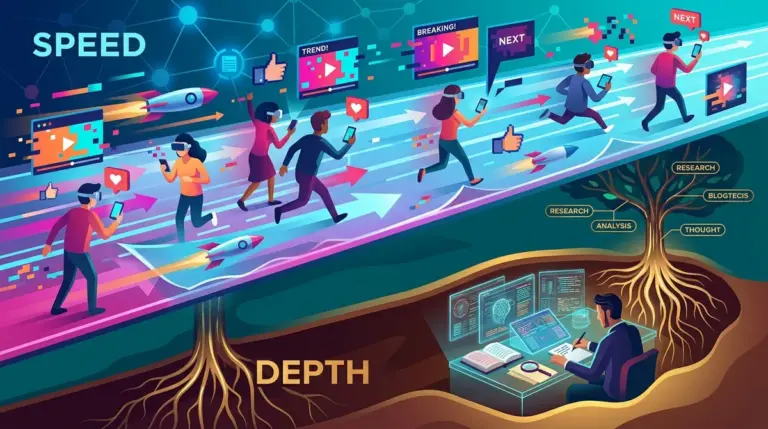
Participation beats polish
Microcelebrity thrives in environments where constant interaction matters more than glossy production. A founder posting quick product updates, a creator reacting to comments, or a streamer building inside jokes with viewers can outperform more expensive content. The audience is not only consuming media. It is helping shape it.
Identity has become a business layer
Platforms increasingly blur the line between person and product. The creator is the channel, but also the ad unit, the trust layer, and often the storefront. Shops, affiliate links, subscriptions, live streams, communities, and digital products all sit close to the content itself. That means microcelebrity is not just cultural status. It is infrastructure for digital commerce.
The business model behind microcelebrity
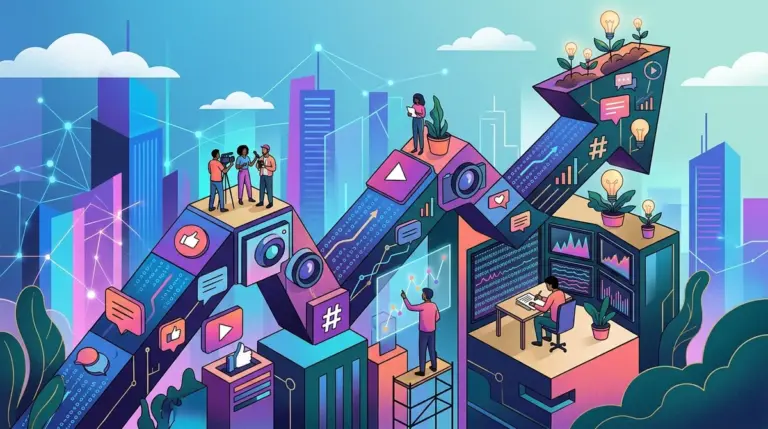
The most useful way to understand microcelebrity is as a monetization stack built on attention and trust. Follower count still matters, but revenue often comes from depth, not scale. A creator with 25,000 engaged followers can build a healthier business than someone with 500,000 passive ones.
Common revenue streams
-
Brand partnerships tied to a specific niche or audience segment
-
Affiliate commerce, especially in beauty, tech, fashion, and creator tools
-
Subscriptions through newsletters, memberships, and gated communities
-
Digital products such as templates, courses, prompts, presets, and guides
-
Physical products including merch, books, cosmetics, and creator-led brands
-
Events, workshops, and consulting for audiences that want direct access
For startups, this model matters beyond creator partnerships. More founders are becoming microcelebrities themselves. Build-in-public has turned personality into a growth channel. A founder who posts product decisions, customer stories, and market commentary can create demand before buying ads. In many internet-native businesses, the founder’s profile now functions like an acquisition engine.
Why audiences trust microcelebrities
Trust comes from repetition, specificity, and the performance of authenticity. People believe microcelebrities because they see them often, in context, over time. A creator who discusses creator burnout, platform payouts, and sponsorship terms appears more credible than a polished campaign with no visible tradeoffs. Audiences also respond to niche expertise. Someone who knows the resale sneaker market or indie app ecosystem in detail feels more useful than a general lifestyle personality.
That trust, however, is fragile. The same intimacy that powers conversion can trigger backlash when audiences sense over-commercialization, inconsistency, or inauthentic positioning. A creator who suddenly promotes unrelated products, changes tone to please sponsors, or scales too fast can lose the very credibility that made the business work.
Platform dependence is the hidden risk
The rise of microcelebrity is also a story about dependence on systems creators do not control. Audiences may feel personal, but access to them is still mediated by algorithms, policy changes, monetization rules, and shifting consumer habits. A creator can spend years building a presence on one platform only to see reach collapse after a ranking tweak or a format shift.
The main vulnerabilities
Microcelebrities face a set of recurring business risks:
-
Algorithm changes that reduce reach overnight
-
Platform policy updates that limit monetization or distribution
-
Audience fatigue caused by overposting or repetitive content
-
Burnout from turning daily life into public-facing content
-
Revenue concentration in one sponsor category or one app
-
Reputation volatility driven by screenshots, callouts, and pile-ons
This is why the smartest creators and creator-led startups push audiences toward owned channels. Email lists, communities, podcasts, products, and recurring memberships provide insulation against platform volatility. The goal is not to abandon social media. It is to convert rented attention into durable relationships.
How startups can work with microcelebrities more effectively
For brands chasing internet-native growth, microcelebrities are often more commercially useful than celebrity endorsements or broad influencer campaigns. But the partnership has to fit the creator’s audience logic. The best collaborations feel like an extension of the creator’s existing role in the community, not a generic ad buy.
What actually works
-
Choose creators with audience trust, not just follower volume
-
Match the product to a real use case in the creator’s content ecosystem
-
Give enough creative freedom for the endorsement to sound native
-
Measure saves, clicks, signups, and repeat conversions, not only impressions
-
Build longer-term relationships so the audience sees repeated proof
-
Use creators as feedback channels, not just media channels
That last point is underrated. Microcelebrities often sit closer to consumer sentiment than agencies or dashboards do. They know what their audience is confused by, excited about, and willing to pay for. Startups that treat them as strategic partners can gain sharper messaging, better product positioning, and faster learning loops.
The creator economy has made fame more operational
One reason microcelebrity matters now is that internet fame has become operational rather than purely aspirational. It is no longer only about status. It is about repeatable systems: content calendars, community rituals, conversion funnels, sponsor pipelines, and product launches. The creator who looks casual on-screen may be running a sophisticated media business behind the scenes.
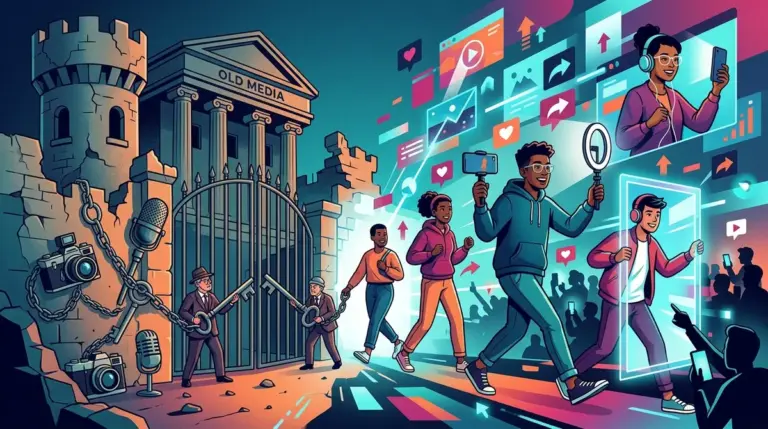
This shift has also changed who gets to become visible. You no longer need a studio, publisher, or network to become known in a category. You need a format, a point of view, and the discipline to keep showing up where the platform can distribute you. That opens the field to more founders, analysts, educators, artists, and niche entertainers. It also increases competition, because every platform lowers the barrier to entry while raising the pressure to stay relevant.
What the future of microcelebrity looks like
The next phase is likely to be less about chasing giant follower counts and more about building portable influence. The strongest microcelebrities will operate across multiple surfaces, combining short-form video, email, community, live events, and commerce into one brand system. AI tools may accelerate content production, but they will also make human distinctiveness more valuable. In a feed full of synthetic output, recognizable voice and trusted taste become premium assets.
For Pop17 readers tracking startup stories, creator businesses, and internet culture, the key takeaway is straightforward: microcelebrity is not a side effect of social media. It is one of the core business models of the modern web. Whether you are launching a product, building a media brand, or trying to understand where digital influence is headed, the winners will be the people who can turn niche attention into owned trust, and owned trust into resilient revenue.