
Online influence keeps getting redefined because social platforms keep changing what they reward: not just who has the biggest audience, but who can hold attention, trigger interaction, inspire imitation, and move people across formats, communities, and commerce. A decade ago, influence mostly meant follower count. Today, it can mean niche authority on LinkedIn, trend creation on TikTok, taste-making on Instagram, community leadership on Discord, or conversion power through short-form video and creator storefronts. For startups, creators, and media brands, that shift matters because the playbook for visibility is no longer stable. Influence is now platform-shaped, algorithmically distributed, and increasingly tied to business outcomes.
Why online influence no longer belongs to the biggest accounts
The old social web rewarded scale in a straightforward way. Build followers, post consistently, and reach your audience directly. That model has weakened as platforms moved from social graphs to recommendation engines. Instead of asking, “Who follows you?” platforms increasingly ask, “What content can keep people watching, replying, sharing, and buying?”
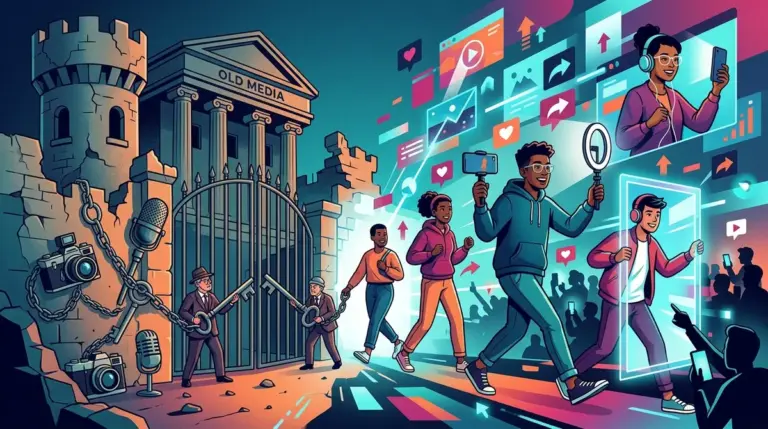
That change has opened the door for smaller creators, startup founders, and niche experts to outperform legacy influencers. A creator with 20,000 highly engaged followers can now shape purchasing decisions more effectively than a celebrity account with a passive million. A founder posting sharp product insights can become more influential in a category than a brand account with a larger media budget. Influence has become less about static popularity and more about repeated relevance.
How each platform changes the meaning of influence
TikTok turned influence into discoverability
TikTok made a major break from follower-first distribution. Its feed architecture normalized the idea that anyone could reach a large audience with the right format, hook, and retention curve. That changed influence from a status marker into a performance system. You do not need years of audience building to matter on TikTok; you need content that earns attention fast.
For creators, this lowered the barrier to entry. For brands and startups, it created a new challenge: influence became more volatile. Cultural relevance could spike overnight and disappear just as quickly. The winners are often those who understand platform-native storytelling, edit for pace, and participate in trends without looking manufactured.
Instagram turned influence into aesthetics plus commerce
Instagram still rewards visual identity, but it has also become a commerce layer. Influence there now blends taste, aspiration, and product movement. Reels pushed Instagram closer to entertainment, while Stories and direct messages preserved intimacy. That combination means influential accounts are not just visually polished; they are also trusted enough to drive clicks, product saves, and purchases.
For digital businesses, Instagram remains powerful when the offer is visual, lifestyle-driven, or community-coded. Beauty, fashion, wellness, design, hospitality, and creator-led products still perform well because influence on Instagram often works through desire and identity. People buy because they want the product, but also because they want the world around it.
YouTube turned influence into depth and durability
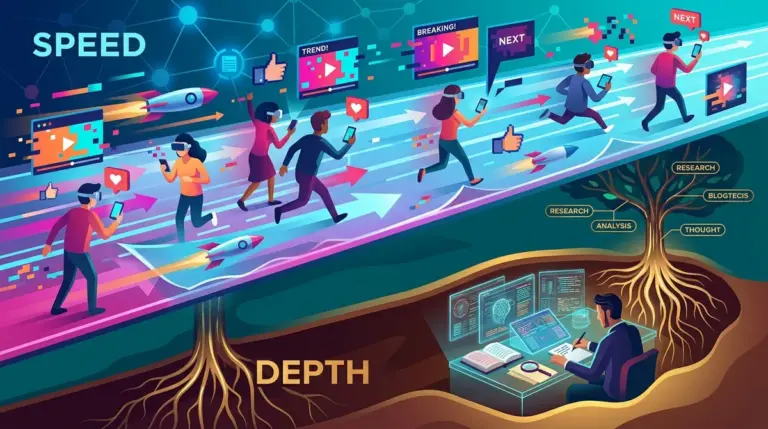
Where short-form platforms reward speed, YouTube rewards sustained attention. Influence on YouTube often comes from explanation, consistency, and search visibility as much as personality. A creator who can teach, review, or document a niche over time builds authority that lasts longer than a viral clip.
This matters for startups and founders because YouTube can support category education. If your product needs context, comparison, or trust-building, long-form video can create a stronger influence moat than trend-based platforms. It is also one of the few places where older content can keep generating discovery months or years later.
LinkedIn turned influence into professional credibility
LinkedIn has evolved from a resume platform into a creator channel for operators, executives, recruiters, and consultants. Influence there is less about entertainment and more about informed perspective. Founders who explain market shifts, product lessons, hiring decisions, or customer insights can build outsized authority among peers, buyers, and talent.
What makes LinkedIn distinctive is that influence often converts directly into business outcomes. The right post can attract inbound leads, speaking invitations, partnerships, investor attention, or job candidates. For B2B startups especially, influence on LinkedIn is not just branding. It is distribution.
Discord, Reddit, and niche communities turned influence into trust
Not all influence is public-facing. In many internet-native communities, influence comes from contribution, taste, or moderation rather than reach. On Reddit, authority can come from being consistently useful. On Discord, it can come from building a culture people want to stay in. In private groups, influence often looks less like broadcasting and more like being the person others rely on.
This matters because some of the most commercially valuable influence happens before it becomes visible. Early adopters, beta users, power moderators, and community insiders often shape what spreads next. Smart startups do not just chase large creators; they identify the smaller nodes where trust forms first.
The new mechanics behind influence
Platforms keep redefining influence because their business models depend on attention, retention, and monetization. As a result, the mechanics of influence increasingly revolve around measurable behaviors.
- Attention: Can you stop the scroll or earn the click?
- Retention: Can you keep people watching, reading, or listening?
- Engagement: Can you trigger replies, shares, saves, or remixes?
- Identity: Does your content help people express who they are?
- Conversion: Can your influence lead to signups, sales, or referrals?
- Portability: Can your audience move with you across platforms, products, or communities?
That last point is increasingly important. Platform-native influence is powerful, but fragile. Algorithms change. Reach fluctuates. Formats rise and fall. The most valuable creators and founder-brands build influence that can travel: from social post to newsletter, from video to podcast, from audience to owned customer relationship.
Why creators are becoming media companies
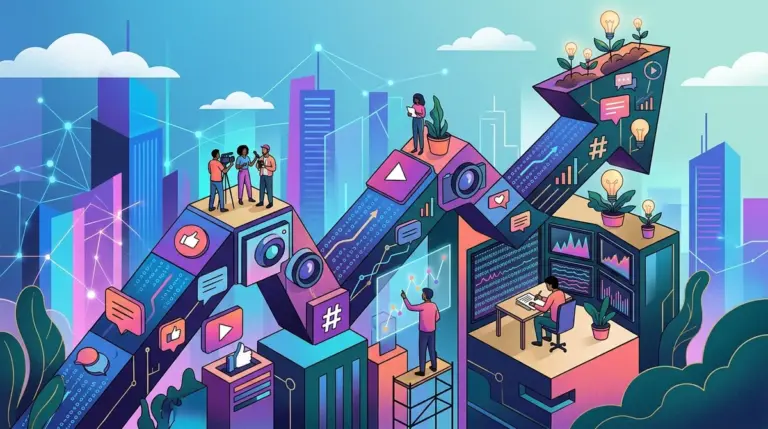
As social platforms redefine influence, creators are responding by building businesses around their audiences instead of depending solely on platform payouts or brand deals. That shift is one of the biggest stories in the creator economy. Influence is no longer just cultural capital; it is infrastructure for products, memberships, courses, events, subscriptions, and commerce.
This is why creator-led brands now compete with traditional startups. A creator with a strong niche audience can launch faster, test demand in public, and acquire customers more cheaply than a company starting from zero. Social influence becomes a distribution advantage, and distribution is often the hardest part of building a business.
For Pop17 readers tracking startup trends, this is where the creator economy overlaps with digital business. The next generation of consumer brands, media ventures, and software products will often begin with an audience, not a product roadmap. Influence is becoming the first asset, not the byproduct.
What startups should do differently now
If platforms keep changing the rules, startups need a more resilient approach to influence. Chasing vanity metrics is not enough. The practical goal is to build influence systems that create awareness and measurable business value.
1. Match platform to buying behavior
Do not assume every platform plays the same role. TikTok may be best for awareness, YouTube for education, Instagram for product desire, and LinkedIn for authority. Choose channels based on how your audience discovers, evaluates, and trusts products.
2. Build around people, not just logos
Founder-led and employee-led content often outperforms brand accounts because people trust people more than institutional messaging. A startup with recognizable voices can adapt faster to platform culture and build stronger audience memory.
3. Treat creators as distribution partners, not ad inventory
The best creator partnerships work when creators shape the message in their own language. Audiences can spot over-scripted sponsorships instantly. If the goal is influence, creative fit matters more than raw reach.
4. Measure saves, shares, replies, and assisted conversions
Follower growth still matters, but deeper signals often tell a better story. Saves suggest utility. Shares suggest social value. Replies suggest trust. Assisted conversions reveal whether influence is actually helping revenue.
5. Turn rented reach into owned audience
Social platforms are powerful discovery engines, but they should feed assets you control: email lists, communities, memberships, customer databases, and direct relationships. Real influence compounds when you are not fully dependent on one feed.
What this means for the future of internet culture
Online influence is becoming more fragmented, more measurable, and more commercial. But it is also becoming more creative. The most influential people online are no longer only celebrities or early internet stars. They are analysts with sharp niche takes, founders who narrate their build process, editors who curate trends, and creators who turn community into business.
That makes the modern influence landscape more open, but also more demanding. To stay relevant, creators and brands need to understand not just content production, but platform incentives, audience psychology, and conversion design. Influence now sits at the intersection of culture and infrastructure.
For startups and digital brands, the opportunity is clear: stop treating social influence as a soft metric and start treating it as a strategic asset. The platforms will keep changing. The businesses that win will be the ones that understand why influence changes with them, and build systems that can evolve just as fast.