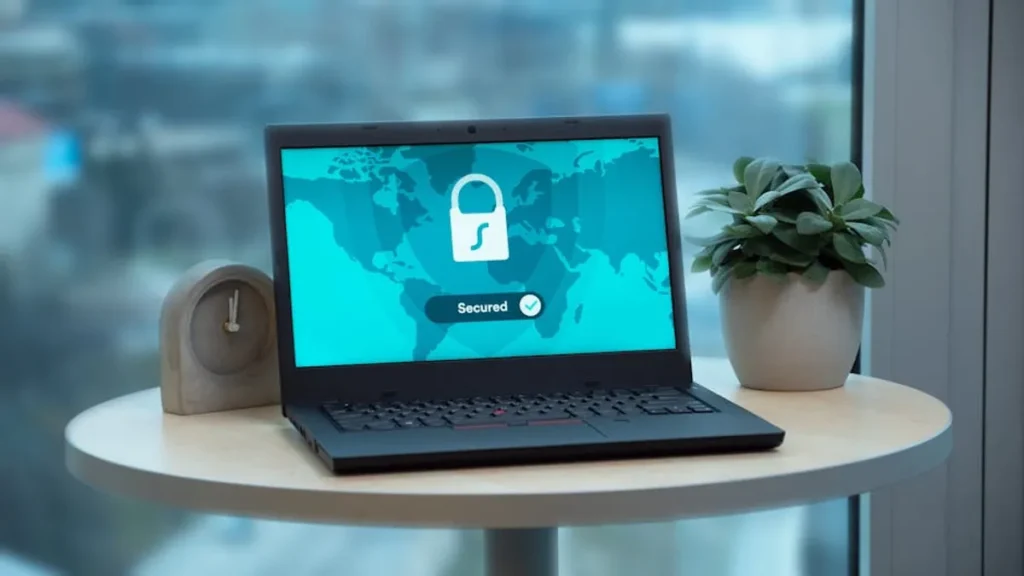
Connecting to a Virtual Private Network (VPN) has become a standard security measure for individuals and businesses navigating the complexities of online data transmission. However, simply activating a VPN client does not automatically guarantee robust protection or privacy. The efficacy of a VPN hinges on specific technical configurations, operational policies, and the provider’s commitment to user data integrity. For professionals handling sensitive client information, intellectual property, or engaging in competitive intelligence, a superficial understanding of VPN capabilities can introduce significant vulnerabilities. Before integrating any VPN solution into your workflow or recommending one to clients, a rigorous assessment of its underlying architecture and operational transparency is non-negotiable. This guide outlines the critical checks necessary to ensure your VPN choice genuinely enhances security rather than creating a false sense of protection.
Understanding Your VPN Needs
The first step in evaluating any VPN is to define the specific threats you aim to mitigate and the data you intend to protect. A generic "secure connection" claim offers little practical value without context.
Personal vs. Business Use Cases
The requirements for a casual user browsing public Wi-Fi differ substantially from those of an enterprise securing remote access to proprietary systems or a marketer conducting geo-specific research. For business applications, the VPN must safeguard against more sophisticated threats, including corporate espionage, state-sponsored surveillance, and targeted data breaches. This often means prioritizing features like dedicated IP addresses, multi-factor authentication integration, and robust administrative controls over server count or streaming capabilities. Consider whether the VPN will be used for accessing internal company resources, handling client data under NDA, or simply anonymizing web traffic for market analysis.
Threat Model Assessment
Identify your adversaries. Are you primarily concerned with preventing casual snooping on unencrypted networks, or are you operating in an environment where state actors or highly resourced competitors might attempt to intercept your data? A high-stakes threat model necessitates a VPN provider with a proven track record of resisting legal demands for data, employing advanced obfuscation techniques, and maintaining an infrastructure designed for maximum resilience against sophisticated attacks. Understanding who you are protecting against dictates the necessary level of encryption, logging policy, and jurisdiction considerations.
Core Technical Safeguards to Prioritize
Beyond marketing claims, the technical specifications of a VPN determine its actual security posture. These are non-negotiable elements for any serious consideration.
Encryption Protocols and Strength
The strength of a VPN’s encryption is paramount. Look for providers that support modern, open-source protocols like OpenVPN and WireGuard, coupled with robust encryption algorithms such as AES-256. AES-256 is the industry standard for robust data protection, making it computationally infeasible to crack with current technology. WireGuard offers a leaner codebase and often faster performance while maintaining strong security. Avoid older, less secure protocols like PPTP or L2TP/IPSec without OpenVPN encapsulation, as they have known vulnerabilities. The protocol determines how your data is encapsulated and secured as it travels through the internet, directly impacting its confidentiality and integrity.
No-Logs Policy Verification
A "no-logs" policy is a cornerstone of VPN privacy. This means the provider does not record connection logs (timestamps, IP addresses, bandwidth used) or activity logs (websites visited, files downloaded). Crucially, a mere claim is insufficient. Seek providers that have undergone independent third-party audits to verify their no-logs policy. These audits provide objective proof that the provider’s operational practices align with its privacy claims, offering a critical layer of trust that internal statements cannot match.
Kill Switch Functionality
A kill switch is a vital security feature that automatically disconnects your device from the internet if the VPN connection drops unexpectedly. This prevents your real IP address and unencrypted traffic from being exposed, even for a brief moment. For professionals handling sensitive data, an IP leak can compromise operational security and data confidentiality, making a reliable kill switch an essential safeguard against accidental exposure.
DNS Leak Protection
DNS (Domain Name System) queries translate human-readable website names into IP addresses. Without proper DNS leak protection, your device might send DNS requests outside the encrypted VPN tunnel, revealing your browsing activity to your internet service provider (ISP) or other third parties. A robust VPN should route all DNS requests through its own secure, encrypted DNS servers, preventing these leaks and maintaining the integrity of your anonymity.
Server Network and Locations
While often associated with bypassing geo-restrictions for entertainment, a diverse and strategically located server network is also critical for business. It impacts connection speed, latency, and the ability to access specific regional content or services required for market research, international collaboration, or testing geo-targeted campaigns. A wider distribution of servers can also provide redundancy and better performance by allowing you to connect to a server closer to your physical location or target resource.
Operational and Trust Considerations
Beyond technical features, the operational practices and legal standing of a VPN provider significantly influence its trustworthiness and long-term viability as a security partner.
Jurisdiction and Legal Framework
The country in which a VPN provider is legally based dictates the laws it must comply with regarding data retention and disclosure. Providers operating in privacy-friendly jurisdictions, especially outside the influence of intelligence-sharing alliances (like the 5, 9, or 14 Eyes), generally offer stronger assurances against compelled data disclosure. Understand the implications of the provider's legal domicile on its ability to protect your data from government requests or legal subpoenas.
Independent Security Audits
Regular, independent security audits by reputable third parties are a strong indicator of a provider’s commitment to security and transparency. These audits scrutinize the VPN’s infrastructure, code, and operational practices for vulnerabilities and compliance with stated policies, including their no-logs claims. Publicly available audit reports offer verifiable evidence of a VPN's security posture, distinguishing credible providers from those making unsubstantiated claims.
Customer Support and Responsiveness
For business users, reliable and responsive customer support is crucial. Technical issues, configuration challenges, or unexpected service disruptions can impact productivity and data security. A provider offering 24/7 support through multiple channels (live chat, email) with knowledgeable staff indicates a commitment to operational continuity and user satisfaction, which is essential for professional environments.
Pro Tip: Exercise extreme caution with "free" VPN services. Many free VPNs monetize their service by collecting and selling user data, injecting ads, or providing inadequate security. For any professional or sensitive use, a reputable paid VPN service is a necessary investment to ensure data integrity and privacy.
Implementing Your VPN Strategy
Selecting the right VPN is only the first step. Effective implementation requires ongoing diligence and integration into your broader security protocols.
- Verify the VPN's no-logs policy through independent audit reports.
- Confirm support for modern, strong encryption protocols (OpenVPN, WireGuard, AES-256).
- Ensure the presence of a reliable kill switch and DNS leak protection.
- Research the provider's jurisdiction and its implications for data privacy.
- Test connection speeds and server reliability across relevant locations.
- Review the provider's terms of service for any hidden clauses regarding data usage.
- Establish clear guidelines for VPN usage within your team or organization.
Regularly review your chosen VPN's security updates, policy changes, and audit results. The threat landscape evolves, and your security strategy must adapt in kind. Integrating VPN usage into a comprehensive security framework, including strong passwords, multi-factor authentication, and regular software updates, provides the most robust protection for your digital assets.
Frequently Asked Questions
What is a VPN kill switch and why is it important?
A VPN kill switch is a feature that automatically blocks your device's internet access if the VPN connection unexpectedly drops. It's crucial because it prevents your real IP address and unencrypted traffic from being exposed, even momentarily, protecting your privacy and security during connection interruptions.
How can I verify a VPN's no-logs policy?
The most reliable way to verify a VPN's no-logs policy is to look for independent third-party audit reports. These audits are conducted by external security firms that examine the VPN provider's infrastructure and practices to confirm that no user activity or connection logs are being stored.
Are free VPNs safe for business use?
Generally, free VPNs are not recommended for business or any sensitive use. Many free services may compromise user privacy by collecting and selling data, injecting ads, or offering weaker encryption and slower speeds, which can create significant security vulnerabilities rather than solve them.
What are the key encryption protocols to look for in a VPN?
Prioritize VPNs that support modern and secure encryption protocols like OpenVPN and WireGuard, coupled with the AES-256 encryption algorithm. These protocols are open-source, well-audited, and offer a strong balance of security and performance, making them suitable for protecting sensitive information.