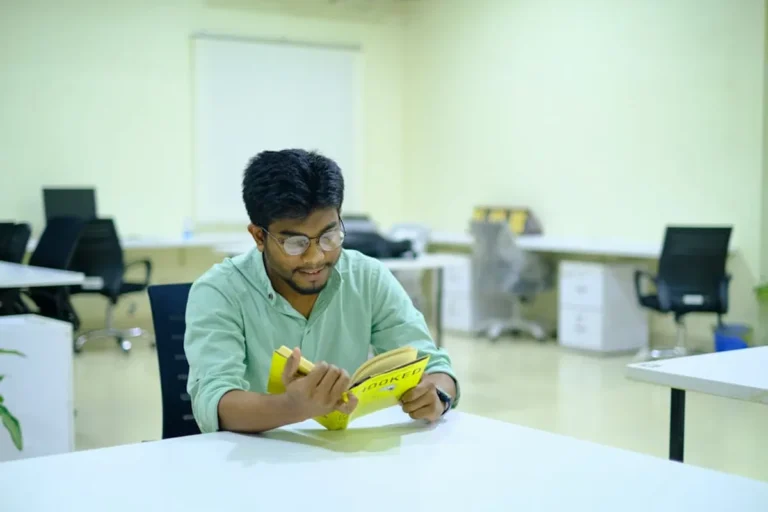
For tech startups, culture is not a secondary concern; it is a foundational element directly impacting product innovation, talent acquisition, retention, and ultimately, market success. Beyond the superficial allure of office perks, a robust tech culture defines how a company operates, makes decisions, and adapts to rapid change. Understanding and intentionally shaping this culture from day one provides a competitive edge, fostering an environment where employees thrive and the business achieves its strategic objectives. This guide outlines the critical components of building and scaling an authentic tech culture that drives tangible results.
Defining Authentic Tech Culture
True tech culture extends far beyond free snacks or foosball tables. It encompasses the shared values, beliefs, principles, and practices that govern how people interact, collaborate, and pursue goals within an organization. It dictates communication styles, risk tolerance, decision-making processes, and the overall psychological safety of the workplace. For a startup, this means establishing a clear identity that attracts specific talent, guides product development, and resonates with early customers. An authentic culture is one that is lived daily, not merely displayed on a mission statement poster.
Core Values as Operational Principles
The bedrock of any strong culture is a set of clearly defined core values. These are not aspirational statements but rather actionable principles that inform behavior and guide choices. For instance, a value like "radical transparency" should translate into open communication channels, shared financial updates, and accessible leadership. "Customer obsession" would manifest in product development cycles centered on user feedback and proactive support. Founders must articulate these values early and consistently, ensuring they are integrated into every aspect of the business, from hiring to performance reviews. Without this integration, values remain abstract and fail to influence daily operations.
Strategic Hiring for Cultural Alignment
Building a cohesive tech culture begins with hiring individuals who not only possess the requisite technical skills but also align with the company's core values. This is not about seeking identical personalities, which can stifle diversity and innovation, but rather identifying candidates who genuinely resonate with the established operational principles. During the interview process, incorporate behavioral questions designed to reveal how candidates have navigated situations relevant to your values. For example, to assess a value like "ownership," ask about past projects where they took initiative beyond their defined role or overcame unexpected obstacles.
- Structured Behavioral Interviews: Design questions that prompt candidates to share specific examples of how they've demonstrated behaviors linked to your core values (e.g., "Tell me about a time you failed and what you learned").
- Peer Interviews: Allow potential team members to assess cultural fit and collaboration style, as they will be working most closely with the new hire.
- Onboarding Reinforcement: Integrate cultural education into the onboarding process, explaining the origins of values, demonstrating how they are applied, and providing examples of cultural champions within the company.
Fostering Innovation Through Psychological Safety
In the fast-paced tech environment, innovation is non-negotiable. A culture that encourages experimentation and accepts failure as a learning opportunity is paramount. This requires creating a high degree of psychological safety, where employees feel comfortable expressing ideas, admitting mistakes, and taking calculated risks without fear of reprisal or humiliation. Leaders play a crucial role in modeling this behavior, openly discussing their own failures and the lessons learned. Implement mechanisms for safe experimentation, such as dedicated "innovation days" or small, cross-functional project teams with clear mandates for exploration.
Best for: Startups requiring rapid iteration and creative problem-solving.
Transparent Communication and Feedback Loops
Clear, consistent, and transparent communication is the lifeblood of a healthy tech culture. In a startup, information asymmetry can lead to distrust, misalignment, and reduced productivity. Establish multiple channels for information flow: regular all-hands meetings where leadership shares strategic updates and answers questions directly, internal wikis or knowledge bases for documentation, and instant messaging platforms for quick collaboration. Crucially, cultivate robust feedback loops. Implement regular one-on-one meetings between managers and direct reports, conduct frequent pulse surveys to gauge employee sentiment, and encourage 360-degree feedback for comprehensive development. This ensures that communication is not a monologue but a continuous dialogue, allowing issues to be addressed proactively.
Pro Tip: Avoid the trap of performative culture. Many startups adopt superficial "tech culture" elements like elaborate office decor or trendy perks without genuinely embedding core values into their operational DNA. This leads to cynicism and a disconnect between stated values and lived experience. Authenticity is built through consistent actions and leadership modeling, not just amenities. Prioritize the 'how we work' over the 'where we work' or 'what we get.'
Scaling Culture Without Dilution
As a tech startup grows, maintaining a consistent culture becomes increasingly challenging. The initial intimacy of a small team gives way to more complex organizational structures. To prevent dilution, culture must be actively managed and reinforced. Document your cultural tenets in an accessible format, such as a "culture deck" or internal handbook, which serves as a reference point for new hires and a reminder for existing employees. Empower cultural ambassadors within the organization—individuals who embody and champion the core values—to help integrate new team members and resolve cultural conflicts. Leadership must remain the primary custodians of culture, consistently communicating its importance, celebrating behaviors that exemplify it, and addressing deviations swiftly and constructively.
Building a Lasting Cultural Foundation
Cultivating a strong tech culture is an ongoing process, not a one-time task. It requires continuous attention, adaptation, and reinforcement from every level of the organization, especially leadership. By intentionally defining values, hiring for alignment, fostering psychological safety, practicing transparent communication, and actively managing culture as the company scales, tech startups can build resilient, innovative, and attractive workplaces that drive long-term success. This foundational work ensures that as the product evolves and the team grows, the core identity and operational effectiveness of the startup remain intact and compelling.
Frequently Asked Questions
Q: How early should a startup define its culture?
A: Culture begins forming from day one, even with just two co-founders. Intentionally defining core values and operational principles early ensures consistency and provides a framework for all subsequent decisions, especially hiring.
Q: Can culture be changed once established?
A: Yes, culture can evolve and be changed, but it requires significant, sustained effort and commitment from leadership. It typically involves reassessing values, updating practices, and consistently communicating the desired new behaviors.
Q: What is the biggest mistake startups make with culture?
A: The most common mistake is treating culture as an afterthought or a set of superficial perks, rather than an integral part of business strategy. This leads to a disconnect between stated values and actual employee experience, undermining trust and engagement.