
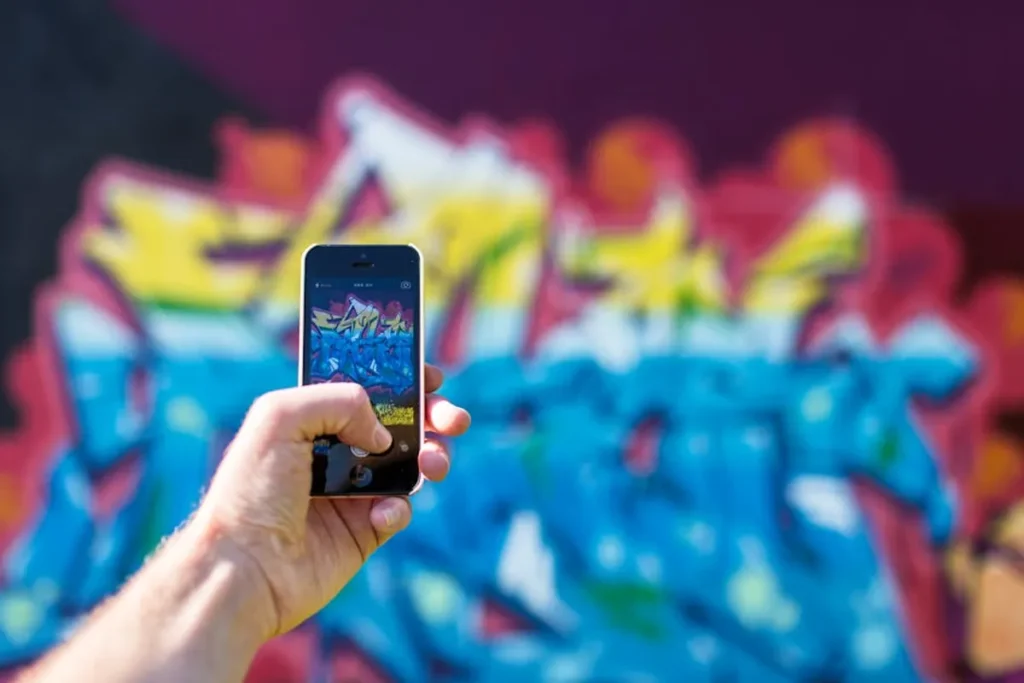
Street art photography offers a distinct challenge and reward for visual creators looking to document ephemeral urban expressions. Unlike studio or landscape work, this genre demands adaptability, an understanding of light in dynamic environments, and a keen eye for composition amidst constant change. For beginners, the initial hurdle often involves moving beyond simple snapshots to capturing images that convey the art's context, message, and visual impact. This guide outlines practical approaches and considerations to elevate your street art photography from casual observation to compelling visual narrative, focusing on techniques and ethical practices that yield strong, shareable results. This involves capturing street art stories that convey the art's context and message.
Understanding Your Subject and Environment
Successful street art photography begins before the shutter clicks. It requires an appreciation for the art form itself and an awareness of the urban canvas it inhabits. This pre-visualization and contextual understanding significantly influence the final image.
Researching Locations and Artists
Before heading out, a little reconnaissance can dramatically improve your hit rate. Online communities, dedicated street art blogs, and local cultural guides often highlight areas known for murals, graffiti, and installations. Knowing a piece's history or the artist's intent can inform your photographic approach, helping you decide whether to focus on the grand scale, intricate details, or the interaction of the art with its surroundings. This research also helps identify areas with high concentrations of art, optimizing your time on location.
The Importance of Light
Light is the photographer's primary tool, and in urban settings, it's constantly shifting. Early mornings or late afternoons, often referred to as the "golden hour," provide soft, warm light that can enhance colors and create dramatic shadows, adding depth to murals. Overcast days offer diffused, even lighting, reducing harsh shadows and making colors pop without glare. Midday sun, while often challenging due to high contrast, can be effectively used to create strong graphic shapes and deep shadows, especially when shooting textured walls or three-dimensional installations. Pay attention to how buildings cast shadows and how direct light interacts with different surfaces.
Essential Gear Considerations
While the best camera is often the one you have with you, specific gear choices can simplify the process and expand creative possibilities for street art photography.
Camera and Lens Choices
Discretion is often key in urban environments. A mirrorless camera or a compact DSLR offers a good balance of image quality and portability without drawing excessive attention. For lenses, a versatile zoom (e.g., 24-70mm equivalent) allows for flexibility in framing wide shots of entire murals and tighter compositions of details. A fast prime lens (e.g., 35mm or 50mm with an aperture of f/1.8 or f/2.0) is invaluable for low-light conditions, creating subject isolation with shallow depth of field, and maintaining a lightweight setup. Consider lenses with image stabilization for sharper handheld shots, especially when working in less-than-ideal lighting.
Non-Photographic Essentials
Beyond your camera, several items enhance comfort and preparedness:
- Comfortable Footwear: You'll be walking extensively, often on uneven urban terrain.
- Extra Batteries and Memory Cards: Street photography sessions can be long and unpredictable.
- Small Backpack: To carry gear discreetly and securely.
- Water and Snacks: Staying hydrated and energized is crucial.
- Smartphone: For navigation, research, and quick social sharing.
- Small Cloth: To clean lenses or camera bodies from dust and grime.
Composition and Perspective Techniques
Moving beyond a simple documentary shot, thoughtful composition transforms a photograph into an engaging visual story.
Framing and Context
Street art rarely exists in isolation. Its surroundings—buildings, power lines, pedestrians, natural elements—provide crucial context. Use these elements to frame the art, adding depth and narrative. A mural might be framed by a doorway or window, or a graffiti piece could be juxtaposed against a bustling street scene. Consider different angles: shooting from a lower vantage point can emphasize the scale of a large mural, while a higher perspective might reveal interesting patterns or the art's integration into the urban landscape. Experiment with leading lines, such as roads or architectural elements, to draw the viewer's eye into the artwork.
Capturing Details and Textures
While the overall impact of a piece is important, often the true artistry lies in the details. Zoom in on brushstrokes, spray paint textures, intricate stenciling, or the way light catches a specific element. These close-up shots can reveal the artist's technique and add another layer of appreciation for the work. Look for patterns, repetitions, and unique material interactions that might be overlooked in a wider shot. These detailed captures can be powerful standalone images or complementary additions to a broader series.
Ethical and Safety Practices
Street art photography is an act of documentation and appreciation, but it must be approached with respect for the art, the artists, and the environment.
Respecting the Art and Artists
Always remember that street art is often created without explicit permission and exists in a public (or semi-public) space. Avoid touching, altering, or defacing the art. If you encounter an artist at work, observe from a respectful distance. A polite request for permission to photograph them or their work is always appreciated and can lead to unique insights or even a collaboration. When sharing your work online, if you know the artist, tagging or crediting them is a valuable gesture of respect and support for the creative community.
Pro Tip: Prioritize personal safety. When photographing in urban environments, especially in unfamiliar areas, remain aware of your surroundings. Avoid displaying expensive gear conspicuously, travel with a companion if possible, and be mindful of your exit routes. Trust your instincts; if a situation feels unsafe, disengage and move to a different location. Your safety is paramount.
Personal Safety in Urban Environments
Street photography inherently involves navigating public spaces. Be mindful of traffic, pedestrians, and potential hazards. Avoid trespassing on private property, even if it offers an enticing angle. While the pursuit of a unique shot can be tempting, do not put yourself or others at risk. A low profile, quick movements, and situational awareness are your best allies. Inform someone of your route and expected return time, especially if exploring less-trafficked areas.
Post-Processing for Impact
The editing stage is where you refine your vision and enhance the visual storytelling. For street art, the goal is often to make the colors pop, define textures, and ensure the image conveys the mood and intensity of the original artwork.
Adjustments to contrast, saturation, and sharpness are typically the starting point. Enhance the vibrancy of colors without making them appear unnatural. Use dodging and burning to selectively lighten or darken areas, guiding the viewer's eye. Cropping can improve composition, removing distracting elements or emphasizing the artwork's scale. Consider converting some images to black and white; this can emphasize form, texture, and light, often giving gritty street art a timeless, powerful feel. Maintain authenticity; the goal is to enhance, not distort, the original art.
Developing Your Visual Voice
Street art photography is a journey of discovery, both of urban landscapes and your personal artistic style. Consistent practice, critical self-assessment, and exposure to other photographers' work will refine your eye and technique. Don't be afraid to experiment with different perspectives, lighting conditions, and post-processing styles. The most impactful street art photographs are those that not only document the art but also reflect the photographer's unique interpretation and connection to the urban narrative.
Frequently Asked Questions
What is the best time of day to photograph street art?
Early morning or late afternoon (golden hour) offers soft, warm light that enhances colors and creates dramatic shadows. Overcast days provide diffused, even lighting, reducing harsh glare and making colors vibrant.
Is it legal to photograph street art?
Generally, photographing street art in public spaces is legal, as it's visible from a public vantage point. However, always be mindful of private property boundaries and avoid trespassing. If an artist is present, asking permission to photograph their work is a respectful practice.
How do I find street art in my city?
Start by exploring local art blogs, city guides, and social media groups dedicated to street art. Websites like Google Maps Street View can also help identify potential locations. Walking around vibrant urban neighborhoods often yields unexpected discoveries.
What camera settings are best for street art photography?
Aperture Priority mode (Av/A) allows you to control depth of field, often using a mid-range aperture (f/5.6-f/8) for sharpness. Keep your ISO as low as possible to minimize noise, adjusting it upwards in low light. Shutter speed should be fast enough to prevent blur, especially if shooting handheld (e.g., 1/125s or faster).