Interviewing artists offers a distinct pathway to creating compelling, authentic content that resonates deeply with audiences. For publishers, marketers, and content strategists, these interviews provide invaluable first-person narratives, behind-the-scenes insights, and unique perspectives that generic content often lacks. The goal isn't merely to document an artist's biography, but to extract the essence of their creative process, their motivations, and the broader cultural context of their work. This approach yields evergreen content that drives engagement, differentiates your platform, and builds a stronger connection with your readership or listenership.
Defining Your Interview Objectives
Before initiating contact, clarify the specific purpose of the interview. Are you aiming to explore a new artistic movement, highlight an artist's unique technique, or delve into the business aspects of their creative career? A clear objective shapes your questions, guides the conversation, and ensures the resulting content serves a defined editorial or marketing goal. For instance, an interview for a technology blog might focus on how an artist leverages AI in their work, while a cultural commentary site might explore the artist's societal critiques. Without this foundational clarity, interviews risk becoming unfocused, yielding superficial material. This foundational clarity shapes your questions, guiding the conversation to ensure the resulting content serves a defined editorial or marketing goal, potentially exploring how an artist leverages AI in their work.
Pre-Interview Research and Logistics
Artist's Work and Background
Thorough research is non-negotiable. Explore the artist's portfolio, read existing interviews, and understand their public persona. Identify key themes, recurring motifs, and any notable shifts in their career trajectory. This preparation demonstrates respect and allows you to formulate informed questions that go beyond surface-level inquiries. Understanding their past work prevents asking questions already answered publicly and enables a deeper dive into their current projects and future aspirations.
Best for: Identifying unique angles and preventing redundant questions.
Logistical Planning
Confirm the interview format (in-person, video call, phone), duration, and location well in advance. For remote interviews, ensure both parties have stable internet connections and suitable recording environments. For in-person meetings, consider background noise, lighting, and privacy. Always confirm the artist's preferred name, pronouns, and any specific requests they might have regarding the interview's scope or publication. Send a brief confirmation email outlining these details, including a concise summary of the interview's intended focus.
Crafting Insightful Questions
Effective questions move beyond simple factual recall. They invite reflection, reveal process, and uncover the human element behind the art. Categorize your questions to ensure comprehensive coverage:
- Process-Oriented: "Walk me through the genesis of your latest piece. What were the initial impulses?"
- Motivational: "What drives you to create in this particular medium, despite its challenges?"
- Influential: "Which artists or movements have most profoundly shaped your aesthetic, and why?"
- Contextual: "How do you see your work engaging with contemporary cultural or technological shifts?"
- Challenges/Growth: "What was a significant creative block you faced, and how did you navigate it?"
Beyond the Resume
Avoid questions that can be answered by a quick search of their bio. Instead, focus on the "how" and "why." For example, instead of "When did you start painting?", ask "What moment crystallized your decision to pursue painting professionally, and what did that commitment entail?" This approach elicits personal narratives and deeper insights into their journey.
Avoiding Generic Prompts
Steer clear of open-ended questions like "Tell me about your art" without further context. While seemingly broad, they can lead to vague answers. Instead, frame questions around specific works, periods, or themes. "Your 'Urban Decay' series seems to explore themes of transience and renewal; what personal experiences informed that perspective?" is far more effective than a general prompt.
Pro Tip: Prepare a core set of 10-15 questions, but be ready to deviate. The most compelling insights often emerge from spontaneous follow-up questions based on the artist's responses, not from rigidly sticking to a script. Listen for unexpected keywords or emotional cues that can open new avenues of discussion.
Conducting the Interview: Building Rapport and Capturing Detail
Setting the Stage
Begin with a brief, friendly introduction. Reiterate the interview's purpose and timeline. Create a comfortable atmosphere where the artist feels safe to share. Acknowledge their time and enthusiasm. This initial rapport building is crucial for encouraging open and honest responses throughout the conversation.
Active Listening and Follow-Up
Listen intently, not just for answers, but for nuances, tone, and unstated implications. Use active listening cues like nodding or brief affirmations. Don't be afraid to ask clarifying questions ("Could you elaborate on what you mean by 'intuitive abstraction'?"). Allow for silences; artists often use these moments to formulate more thoughtful responses. Resist the urge to interrupt or fill every pause.
Technical Considerations
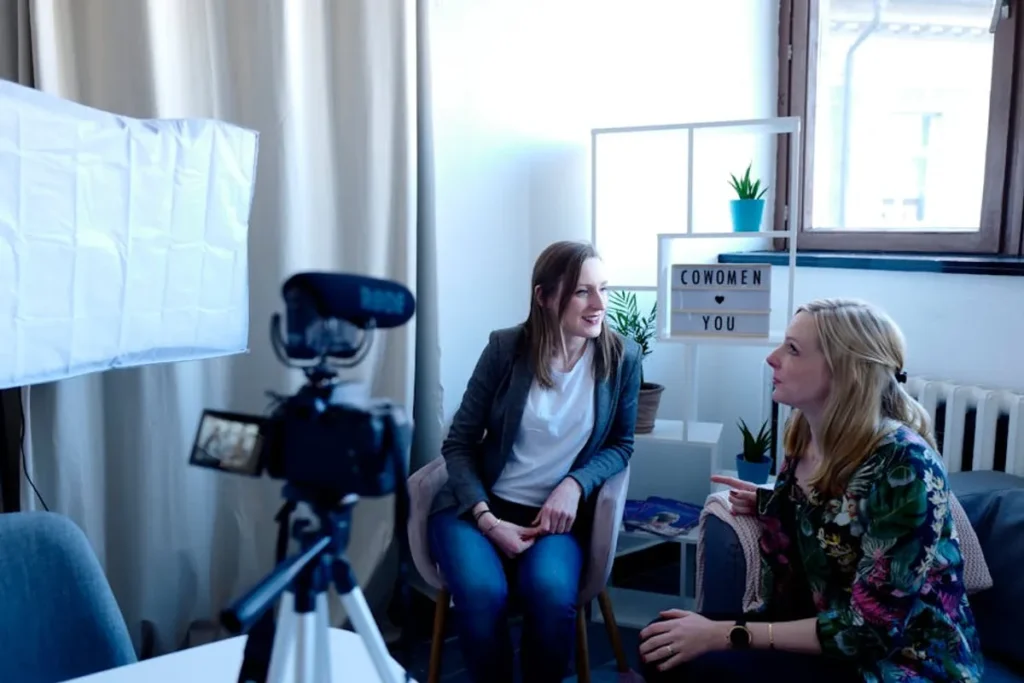
Always record interviews, even if you plan to take extensive notes. Use high-quality audio recording equipment or reliable software for virtual calls. Have a backup recording method. Test all equipment beforehand. Ensure the recording environment is free from distractions and excessive background noise. Inform the artist that you are recording and obtain their consent.
Post-Interview Processing and Presentation
Transcription and Curation
Transcribe the interview accurately. This provides a textual basis for analysis and content creation. Not every word needs to be published; your role as an editor is to curate the most compelling and relevant sections that align with your initial objectives. Identify key quotes, anecdotes, and insights that best encapsulate the artist's message.
Ethical Presentation
Always send the artist the edited transcript or draft article for review before publication. This ensures accuracy, allows them to clarify any misinterpretations, and provides an opportunity to address any sensitive information they might prefer to keep private. This step builds trust and maintains a professional relationship.
Tailoring Your Approach for Different Artistic Disciplines
The specific questions and focus will shift depending on the artist's medium. For a painter, you might discuss color theory, brushwork, or the physicality of their studio. For a digital artist, questions might revolve around software choices, coding, or the implications of NFTs. A musician's interview could explore composition, performance anxiety, or sound engineering. Always adapt your questions to be relevant and insightful for their specific craft.
Maximizing the Impact of Artist Interviews
Artist interviews are versatile content assets. Beyond a single article, consider repurposing segments for social media, creating short audio clips for podcasts, or extracting compelling quotes for visual graphics. A well-conducted interview can fuel multiple content pieces, extending its commercial value and reach across various digital platforms. Leverage the unique voice and perspective of the artist to enrich your content ecosystem.
Frequently Asked Questions
How do I handle a shy or reticent artist?
Build rapport with open-ended, non-threatening questions at the start. Share a personal anecdote related to art. Frame questions to encourage storytelling rather than direct answers. Sometimes, a slight pause or a gentle rephrasing can draw out deeper responses.
Should I share my questions in advance?
It depends on the artist and your objective. Sharing a general outline or a few key themes can help an artist prepare and feel more comfortable. However, providing a full script can sometimes lead to rehearsed answers, reducing spontaneity. Use your judgment based on the artist's preference and the interview's desired flow.
What if an artist gives a very short answer?
Follow up with "Could you expand on that?" or "What made you choose that particular approach?" Ask "how" and "why" questions to encourage elaboration. Sometimes, rephrasing the question slightly can also prompt a more detailed response.