
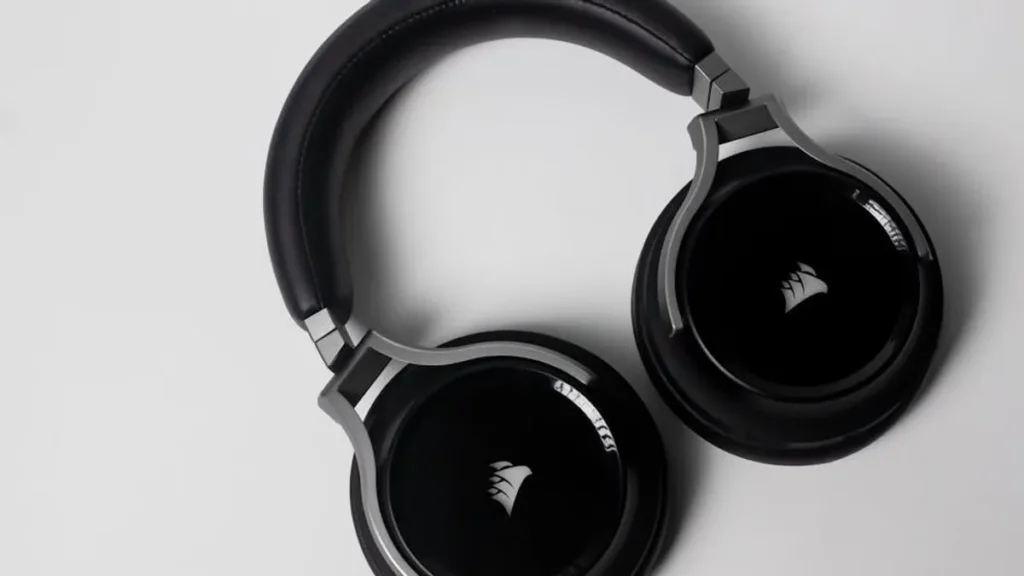
Navigating the headphone market requires more than just scanning product descriptions; it demands a structured approach to comparison. With an overwhelming array of models, each touting unique features and audio profiles, discerning true value and suitability hinges on understanding core technical specifications and how they translate to real-world use. This guide outlines a methodical framework for evaluating headphones, moving beyond marketing jargon to focus on measurable attributes and practical considerations relevant to creators, professionals, and discerning listeners.
Understanding Sound Profile and Fidelity
The audio experience is paramount, yet subjective. Objective metrics, however, provide a foundation for comparison. Start with the stated frequency response range, typically expressed in Hertz (Hz). A wider range, such as 20 Hz to 20,000 Hz, indicates the headphone's capability to reproduce deep bass and crisp highs. However, a wide range alone does not guarantee accuracy; the linearity of the response curve across that range is crucial for a neutral, uncolored sound.
Driver Technology and Impedance
Headphone drivers are miniature speakers. Dynamic drivers are common, offering robust bass and good all-around performance. Planar magnetic drivers, often found in high-fidelity headphones, provide exceptional detail and a wide soundstage due to their uniform magnetic field. Electrostatic drivers offer unparalleled clarity and transient response but require dedicated amplifiers. Impedance, measured in ohms (Ω), indicates how much power is needed to drive the headphones. Lower impedance (under 50 Ω) is suitable for mobile devices, while higher impedance (100 Ω+) often benefits from a dedicated headphone amplifier for optimal performance and volume.
Total Harmonic Distortion (THD)
THD quantifies unwanted harmonics added to the original signal, expressed as a percentage. Lower THD values (e.g., <0.1% at 1 kHz) indicate a cleaner, more accurate sound reproduction. While often overlooked, THD provides an objective measure of audio fidelity, particularly at higher volumes where distortion can become more pronounced.
Form Factor and Ergonomics
Comfort and fit directly impact listening fatigue and the overall experience, especially during extended use. Headphones generally fall into three categories:
- Over-ear (Circumaural): Cups fully enclose the ear, providing better passive noise isolation and often larger drivers for a more immersive soundstage. Weight and clamping force are key comfort factors.
- On-ear (Supra-aural): Pads rest directly on the ear. These are typically lighter and more portable than over-ear models but offer less isolation and can cause pressure points over time.
- In-ear (IEMs and Earbuds): Inserted directly into the ear canal. IEMs (in-ear monitors) offer superior passive noise isolation and sound quality due to a secure seal. Earbuds rest in the outer ear, prioritizing convenience over isolation or bass response.
Open-Back vs. Closed-Back Designs
This distinction primarily applies to over-ear headphones. Closed-back designs fully seal the ear, preventing sound leakage and offering maximum noise isolation. This is ideal for studio monitoring, public transport, or shared office spaces. Open-back designs feature perforated or mesh earcups, allowing sound to escape and air to circulate. This creates a wider, more natural soundstage and reduces pressure buildup, making them preferred for critical listening in quiet environments, though they offer no passive noise isolation.
Pro Tip: Prioritize trying headphones on for fit and comfort whenever possible. Specifications for clamping force or earcup material cannot fully convey how a headset will feel after several hours of continuous wear. A technically superior headphone that causes discomfort will ultimately be a poor choice.
Connectivity and Advanced Features
Modern headphones offer diverse connection options and supplementary functionalities that enhance usability.
Wired vs. Wireless Protocols
Wired connections (3.5mm analog, USB-C, Lightning) offer the most reliable, lowest-latency audio transmission, crucial for gaming, recording, or critical audio work. Wireless headphones, primarily using Bluetooth, provide freedom of movement. When evaluating wireless options, consider the Bluetooth version (e.g., 5.0, 5.2) for connection stability and power efficiency, and supported audio codecs (SBC, AAC, aptX, LDAC). Higher-quality codecs like aptX HD or LDAC transmit more data, resulting in better sound fidelity, though source device compatibility is necessary.
Active Noise Cancellation (ANC) and Transparency Modes
ANC technology actively counters external noise through inverse sound waves, ideal for travel or noisy environments. Evaluate the effectiveness across different frequency ranges (e.g., low-frequency rumble vs. mid-range voices). Transparency or Ambient modes allow external sounds to pass through, enabling situational awareness without removing the headphones. Microphone quality for calls is another crucial feature, particularly for remote work or content creation.
Durability and Long-Term Value
A headphone's lifespan is influenced by its construction and the availability of replacement parts.
Materials and Build Quality
Look for robust materials like metal hinges, high-quality plastics, and durable earcup padding. Headbands reinforced with steel or aluminum are less prone to snapping. Consider the IP (Ingress Protection) rating for headphones intended for outdoor or fitness use; an IPX4 rating, for instance, indicates resistance to splashing water from any direction.
User-Replaceable Components and Warranty
Headphones with user-replaceable ear pads, cables, and even batteries (in some high-end models) significantly extend their usable life. A longer warranty period (e.g., 2-3 years) from a reputable manufacturer indicates confidence in product longevity and provides peace of mind.
Making Your Final Selection
Comparing headphones effectively involves aligning technical specifications with your specific use cases. For a professional audio engineer, a high-impedance, open-back, wired model with a flat frequency response might be essential. For a frequent traveler, ANC, long battery life, and a comfortable, foldable design will take precedence. For a mobile gamer, low-latency wireless connectivity and a clear microphone are critical. Prioritize the features that directly address your primary needs, then use the objective metrics to narrow down the field.
Frequently Asked Questions
What is the difference between active and passive noise cancellation?
Passive noise cancellation relies on the physical design of the headphone (e.g., thick earcups, good seal) to block sound. Active noise cancellation uses microphones to detect ambient noise and generate an inverse sound wave to cancel it out, primarily effective against consistent low-frequency sounds.
Do I need a headphone amplifier?
A headphone amplifier is generally needed for high-impedance headphones (typically 100 ohms or higher) to provide sufficient power for optimal volume and dynamic range. Low-impedance headphones (under 50 ohms) can usually be driven adequately by smartphones or standard audio outputs.
How important are Bluetooth codecs like aptX or LDAC?
Bluetooth codecs determine the quality of audio transmission over a wireless connection. While SBC and AAC are standard, aptX, aptX HD, and LDAC offer higher bitrates and improved sound fidelity, closer to wired audio. Their importance depends on your source device's compatibility and your personal sensitivity to audio compression artifacts.
Should I prioritize sound quality or comfort?
Both are crucial. Excellent sound quality is diminished if the headphones are uncomfortable to wear for extended periods. Conversely, a comfortable but sonically inferior headphone will not satisfy critical listening needs. Aim for a balance, but for professional or long-duration use, comfort often takes a slight precedence given its impact on sustained focus and productivity.