
Public art extends far beyond mere aesthetic embellishment; it functions as a strategic urban asset, fundamentally altering the economic, social, and digital fabric of cities. For urban planners, developers, marketers, and community leaders, understanding this transformative power is crucial. Strategic public art initiatives can drive economic growth, cultivate distinct city identities, and generate significant digital engagement, ultimately enhancing a city's brand and livability. This deep dive explores the multifaceted ways public art shapes urban environments, offering concrete insights into its measurable impact.
Economic Catalysts: Public Art's Impact on Urban Development
The presence of thoughtfully integrated public art directly influences a city's economic vitality, acting as a magnet for tourism, investment, and local commerce. It converts otherwise unremarkable spaces into destinations, creating tangible value for businesses and residents.
Driving Tourism and Local Commerce
Iconic public art installations, from monumental sculptures to vibrant murals, become landmarks that draw visitors. This influx of tourists translates into increased revenue for local businesses, including restaurants, retail shops, and hospitality services. Cities that invest in public art often see a measurable uptick in foot traffic in previously underserved areas, revitalizing commercial corridors. The "Bean" (Cloud Gate) in Chicago's Millennium Park, for example, is not just a sculpture; it's a constant generator of economic activity, attracting millions annually who then spend money in the surrounding district. The "Bean" in Chicago's Millennium Park is not just a sculpture; it's a constant generator of economic activity, attracting millions annually who then spend money in the surrounding areas, making it a prime example of how public art boosts local economies.
Increasing Property Values and Investment
Areas enriched with public art frequently experience an appreciation in property values. Developers recognize that art installations enhance the desirability and perceived quality of a neighborhood, making residential and commercial properties more attractive. This can stimulate further private investment in urban regeneration projects, creating a virtuous cycle of improvement. Public art signals a commitment to cultural richness and quality of life, which are key factors for businesses and individuals considering relocation or expansion.
Fostering Community and Identity
Beyond economics, public art plays a pivotal role in shaping a city's social landscape. It provides shared experiences, reflects local narratives, and strengthens community bonds, contributing to a distinct sense of place.
Creating Shared Experiences and Dialogue
Public art installations serve as gathering points, prompting interaction and conversation among diverse groups of people. A temporary art festival, for instance, can bring together residents from different neighborhoods, fostering a sense of collective ownership and pride. These shared experiences are invaluable for community cohesion, breaking down social barriers and encouraging civic engagement. Art often sparks dialogue on social issues, historical events, or cultural values, acting as a catalyst for deeper understanding within a community.
Preserving Cultural Heritage and Storytelling
Many public art projects are designed to commemorate historical events, celebrate local heroes, or reflect the unique cultural heritage of a community. These pieces act as visual narratives, educating residents and visitors alike about the city's past and present. They provide a tangible connection to identity, ensuring that local stories are not forgotten but are instead woven into the urban fabric. This storytelling function is particularly potent in rapidly developing cities, where preserving a sense of history can be challenging.
Digital Engagement and City Branding
In the digital age, public art is a powerful tool for online visibility and city branding. Its visual appeal makes it inherently shareable, driving social media engagement and amplifying a city's reputation globally.
Social Media Amplification and Virality
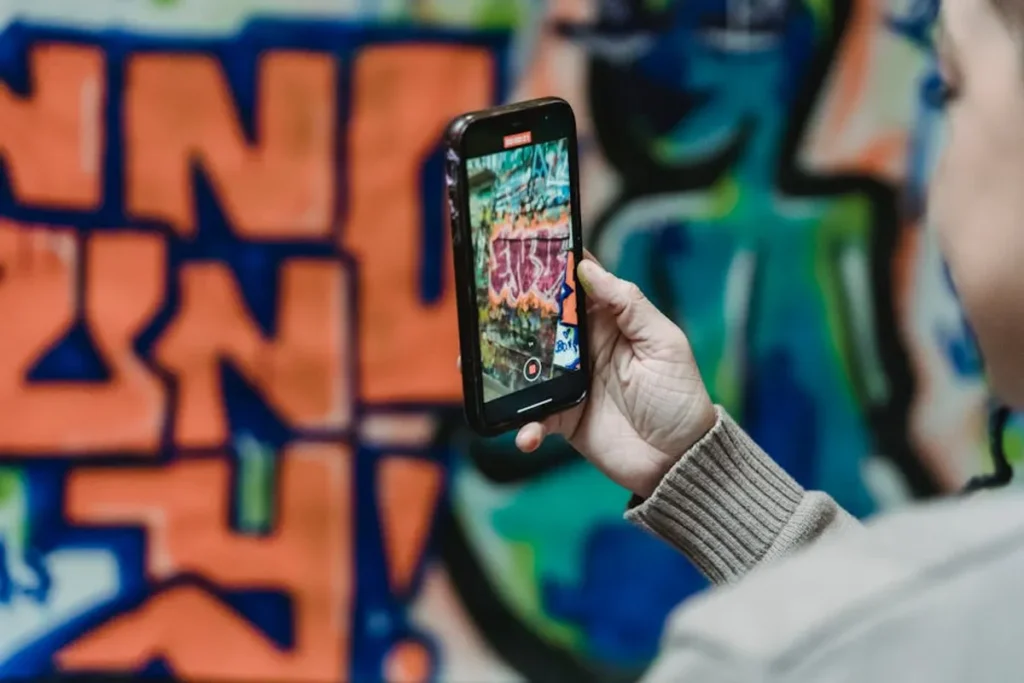
Public art is highly "Instagrammable." Murals, sculptures, and interactive installations become popular backdrops for photos and videos, generating organic content that spreads rapidly across social media platforms. This user-generated content acts as free, authentic marketing for the city, reaching audiences far beyond traditional advertising campaigns. A single viral image of a unique public art piece can put a city on the map for digital nomads, tourists, and potential investors.
Enhancing City Reputation and Attracting Talent
A city known for its vibrant public art scene cultivates a reputation for creativity, innovation, and cultural sophistication. This positive perception is crucial for attracting highly skilled talent, particularly in creative and tech industries, who often prioritize quality of life and cultural amenities. Public art contributes to a city's overall "brand," making it more appealing as a place to live, work, and visit. It signals a forward-thinking urban environment that values artistic expression and community well-being.
Pro Tip: When commissioning public art, prioritize pieces that offer interactive elements or unique visual angles. These features dramatically increase social media shareability and user engagement, maximizing the digital footprint and brand amplification for the city.
Navigating Challenges and Maximizing Impact
While the benefits of public art are clear, successful integration requires thoughtful planning, sustainable funding, and ongoing community involvement.
Key considerations for maximizing the impact of public art include:
- Funding Models: Exploring diverse funding sources, including public grants, private philanthropy, corporate sponsorships, and developer contributions, ensures project feasibility and longevity.
- Stakeholder Collaboration: Engaging artists, community groups, local businesses, and government agencies from conception to installation fosters ownership and ensures the art reflects local values.
- Maintenance and Preservation: Establishing clear plans for long-term care, conservation, and security is critical to protecting the investment and ensuring the art remains a positive asset.
- Accessibility and Inclusivity: Designing and siting art to be accessible to all members of the community, regardless of physical ability or socioeconomic status, ensures its broad impact.
- Contextual Relevance: Ensuring the art piece resonates with its specific location and community, avoiding generic or out-of-place installations that fail to connect with locals.
Strategic Integration for Urban Flourishing
Public art is not merely an amenity; it is a powerful catalyst for urban transformation. By strategically integrating art into urban planning and development, cities can unlock significant economic, social, and branding benefits. Its ability to attract investment, foster community, and generate global digital visibility makes it an indispensable tool for cities aiming to thrive in the 21st century. Prioritizing public art means investing in a city's future, cultivating vibrant, resilient, and engaging urban environments for all.
Frequently Asked Questions
How does public art specifically increase property values?
Public art enhances neighborhood aesthetics and cultural appeal, making areas more desirable for residents and businesses. This increased demand can lead to higher rental yields and sales prices for properties in proximity to well-regarded installations.
Can public art contribute to a city's digital marketing efforts?
Absolutely. Visually striking public art generates highly shareable content on social media, creating organic buzz and virtual tourism. This user-generated content acts as a powerful, authentic marketing tool that extends a city's reach and enhances its online brand presence.
What role does community involvement play in public art projects?
Community involvement is crucial for ensuring that public art is relevant, embraced, and maintained. Engaging local residents, artists, and businesses in the planning and execution stages fosters a sense of ownership, reduces potential controversies, and ensures the art reflects the community's identity and values.