
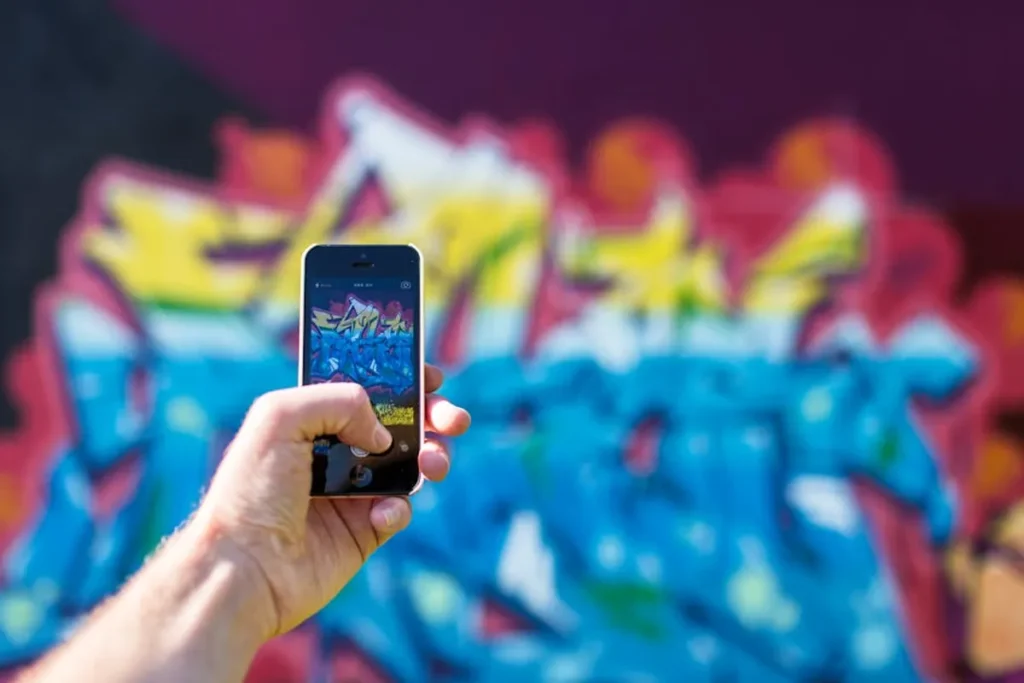
Public art, specifically murals, often transcends mere aesthetic appeal, becoming potent catalysts for economic revitalization and community identity in local neighborhoods. For businesses, marketers, and urban planners, understanding the multifaceted impact of these large-scale artworks is critical. Murals are not simply paint on a wall; they are visual anchors that reshape digital footprints, drive foot traffic, and foster a distinct sense of place, directly influencing local commerce and the broader creator economy. Their presence can transform overlooked areas into vibrant destinations, generating measurable value far beyond their initial artistic investment. Understanding the multifaceted impact of these large-scale artworks is critical, especially when exploring different street art styles that can define a neighborhood's character.
Visual Anchors for Digital Discovery
In an increasingly digital-first world, murals serve as powerful, organic local SEO assets. They naturally become points of interest for user-generated content across social media platforms like Instagram, TikTok, and Google Maps. When visitors photograph and share murals, they often geotag the location, implicitly associating the artwork with nearby businesses and the neighborhood itself. This creates a cascade of digital signals:
- Enhanced Local Search Visibility: Murals provide unique, visually compelling content that can help a neighborhood rank for location-based searches ("things to do in [neighborhood name]", "art walks near me").
- Increased User-Generated Content (UGC): Each photo shared with a geotag or relevant hashtag acts as an endorsement, extending the mural's reach and drawing attention to the surrounding area. This organic content is highly trusted and influential.
- Google Maps Integration: Murals often appear as distinct landmarks on Google Maps, complete with photos and reviews, guiding visitors directly to their location and, by extension, to adjacent commercial establishments.
- Digital Storytelling Opportunities: Local businesses can integrate nearby murals into their own content strategies, using them as backdrops for product photography, customer testimonials, or neighborhood guides, further linking their brand to the area's cultural appeal.
Driving Foot Traffic and Local Commerce
The visual allure of a mural translates directly into physical movement. Murals act as magnets, drawing both local residents and tourists who seek out these artworks for their beauty, cultural significance, or simply as a backdrop for social media photos. This increased foot traffic offers tangible economic benefits:
Increased Patronage for Local Businesses: Visitors exploring a mural-rich area are more likely to stop at nearby cafes, boutiques, restaurants, and galleries. The "mural trail" concept, where multiple artworks are linked, encourages longer stays and greater exploration, maximizing opportunities for local spending.
Experiential Marketing for Brands: Businesses can strategically commission murals on their own premises or contribute to public art initiatives. A well-designed mural can become a brand differentiator, creating an immersive, shareable experience that enhances customer engagement and fosters brand loyalty.
Event and Festival Catalysts: Neighborhoods with prominent murals often become ideal venues for art walks, street festivals, and community events, further boosting local economies through increased attendance and vendor participation.
Pro Tip: When a new mural is installed, engage local businesses to create a coordinated digital launch. Encourage them to use specific hashtags, geotag the mural, and offer promotions tied to mural visits. This amplifies the digital footprint and creates a direct link between the art and commercial activity, converting online interest into tangible sales.
Community Identity and Brand Building
Murals are powerful tools for placemaking, distilling a neighborhood's history, culture, and aspirations into a visible narrative. They contribute to a distinct identity, which is crucial for attracting residents, businesses, and investment.
Fostering Local Pride and Belonging: Murals often reflect community values, celebrate local heroes, or depict historical events, fostering a sense of shared identity and pride among residents. This emotional connection can lead to greater community engagement and advocacy. This emotional connection can lead to greater community engagement and advocacy, particularly when murals are focused on celebrating local culture and heritage.
Attracting Investment and Talent: A vibrant, art-filled neighborhood is often perceived as dynamic and forward-thinking. This cultural richness can attract new businesses seeking an inspiring environment and skilled professionals looking for appealing places to live and work. The visual appeal acts as a differentiator in competitive urban landscapes.
Strengthening the Neighborhood's Digital Narrative: The stories behind murals—the artists, the community involvement, the themes—provide rich content for neighborhood associations, local media, and tourism boards. This narrative can be leveraged across websites, blogs, and social media to build a compelling online presence that resonates with target audiences.
Creator Economy and Artist Engagement
Mural projects are a significant driver for the creator economy, providing substantial opportunities for artists and creative professionals.
Commissions and Economic Opportunity: Large-scale mural commissions offer artists not only financial compensation but also high-profile platforms for their work. This directly supports local creative talent and injects funds into the artistic community.
Digital Portfolio Enhancement: Completed murals serve as prominent additions to artists' digital portfolios, attracting future commissions and increasing their visibility within the art world and beyond. The public nature of murals ensures maximum exposure.
Incubating Creative Ecosystems: A thriving mural scene can attract more artists to a neighborhood, fostering a creative hub that benefits from collaboration, shared resources, and a supportive environment. This can lead to the emergence of art studios, galleries, and related creative businesses.
Measuring Impact: Beyond Aesthetics
While the qualitative benefits of murals are evident, their impact can also be assessed through various metrics, providing data-driven insights for stakeholders.
- Social Media Analytics: Track the number of geotagged posts, unique hashtags, impressions, and engagement rates related to specific murals or neighborhood art initiatives. Monitor sentiment analysis around these posts.
- Foot Traffic Data: Utilize anonymized mobile data, Wi-Fi analytics, or even simple pedestrian counts to measure changes in visitor numbers to areas with new murals. Compare data pre- and post-installation.
- Local Business Revenue: Collaborate with local businesses to track sales increases or customer acquisition rates that can be correlated with increased neighborhood activity following mural installations.
- Media Mentions and PR Value: Monitor local news coverage, blogs, and tourism publications that feature the murals, quantifying the earned media value for the neighborhood.
- Property Value Trends: Over the long term, observe changes in property values in areas that have invested in public art, noting any correlation with enhanced aesthetic appeal and community vibrancy.
Leveraging Public Art for Neighborhood Growth
Murals are more than just decorative elements; they are strategic investments in a neighborhood's future. For businesses, marketers, and community leaders, the key lies in recognizing their potential as digital assets, economic drivers, and cultural anchors. By integrating murals into broader marketing and community development plans, neighborhoods can cultivate unique identities, attract diverse audiences, and foster sustainable growth. The visual power of public art, when strategically harnessed, transforms physical spaces into vibrant, digitally discoverable, and economically thriving hubs.
Frequently Asked Questions
How do murals directly impact local SEO for businesses?
Murals create highly shareable, geotagged content on social media and Google Maps, increasing a neighborhood's digital footprint. Businesses located near popular murals benefit from this increased visibility, as visitors searching for the mural may discover adjacent shops, cafes, or services.
Can small businesses leverage nearby murals for their own marketing?
Absolutely. Small businesses can use murals as backdrops for product photos, promote "mural walks" that include their establishment, or offer discounts to visitors who post photos with the mural and tag their business. This creates organic content and drives foot traffic.
What role does community involvement play in successful mural projects?
Community involvement is crucial for ensuring murals reflect local identity and are embraced by residents. Engaging locals in the design process, artist selection, or even painting days fosters a sense of ownership and pride, making the mural a true community asset rather than just an external installation.
How can the economic impact of a mural be measured beyond anecdotal evidence?
Measuring economic impact involves tracking metrics like social media engagement (hashtags, geotags, impressions), changes in foot traffic (using mobile data or pedestrian counts), local business revenue fluctuations, and media mentions. While direct causation can be complex, strong correlations often emerge over time.