
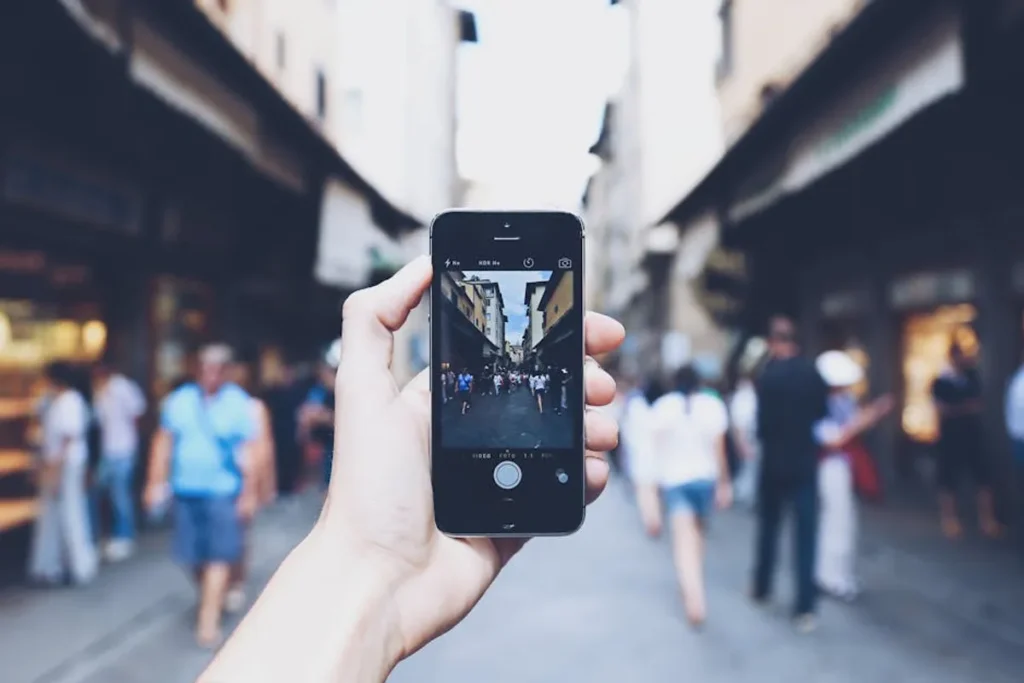
Street photography, at its core, is about capturing candid moments of life in public spaces. It's an art form that demands a unique blend of technical skill, keen observation, and a certain fearlessness. Unlike studio or landscape photography, the street is an unpredictable, dynamic environment where light, subjects, and narratives constantly shift. Success isn't just about owning the right camera; it's about developing an instinct for the decisive moment, understanding human behavior, and crafting compelling visual stories from the everyday. This guide distills essential practices and perspectives that elevate casual snapshots into impactful photographic statements, providing actionable insights for photographers aiming to master the urban canvas.
Essential Principles for Street Photography
Before diving into specific techniques, grounding your approach in fundamental principles ensures a cohesive and effective practice. Street photography thrives on authenticity and connection, demanding a mindful presence. First, cultivate relentless observation; the street is a constant stream of potential images, and training your eye to see beyond the obvious is paramount. Second, prioritize anticipation—understanding human patterns and environmental cues allows you to predict moments before they fully unfold. Third, embrace discretion and respect; while public spaces are fair game, maintaining ethical boundaries and minimizing intrusion are crucial for candid, genuine results. Fourth, understand that technical proficiency serves vision, not the other way around; master your camera's basics to react swiftly without thought. Finally, develop a personal vision—what stories do you want to tell, and how does your unique perspective shape them? These principles form the bedrock for transforming random encounters into meaningful photographic narratives.
1. Master Observation and Anticipation
The foundation of compelling street photography lies not in rapid shutter releases, but in the deliberate cultivation of seeing. This tip emphasizes training your eyes to actively seek out narratives, juxtapositions, and emotional resonance within the urban landscape. It involves developing an almost meditative state of awareness, where you’re not just looking, but actively interpreting the interplay of people, light, and environment. Anticipation complements observation by allowing you to predict the trajectory of a moment—a pedestrian stepping into a shaft of light, a reaction to an unexpected event, or the convergence of disparate elements into a singular frame. This skill is honed through sustained practice, forcing you to slow down and truly absorb your surroundings before lifting the camera.
Best for: Photographers seeking to move beyond snapshots, those aiming for narrative depth, and individuals comfortable with patience as a primary tool.
Pros: Directly improves compositional strength; enhances the ability to capture "decisive moments"; fosters a deeper connection with the environment; reduces reliance on pure luck.
Cons: Requires significant practice and mental discipline; can feel slow and unproductive initially; demands a high degree of presence and focus, which can be draining.
Verdict: Cultivating keen observational skills directly translates to capturing unique, fleeting moments others miss, making it foundational for compelling street narratives.
2. Understand Light and Shadow
Light is the primary sculptor of any photographic image, and in street photography, mastering its nuances is critical for creating mood, depth, and drama. This tip focuses on actively seeking out interesting light conditions—harsh midday sun for strong shadows, soft golden hour light for warmth, or ambient streetlights for nocturnal atmosphere. Understanding how light falls on subjects, creates textures, and defines form allows you to transform mundane scenes into visually striking compositions. Shadows, often overlooked, are equally powerful, capable of adding abstract elements, concealing distractions, or emphasizing shapes and lines. Learning to "read" the light and shadow patterns available at any given moment provides a powerful compositional tool, dictating where and when you choose to shoot.
Best for: Photographers looking to add artistic flair, control mood, and elevate the aesthetic quality of their images beyond mere documentation.
Pros: Creates dramatic and emotionally resonant images; enhances compositional depth and visual interest; allows for creative problem-solving in varied lighting conditions; adds a distinctive signature to your work.
Cons: Requires patience to wait for optimal light; limits shooting times to specific conditions; can be challenging to manage in rapidly changing urban environments; demands a strong understanding of exposure.
Verdict: Proficiency in manipulating or leveraging available light and shadow is paramount for infusing street photographs with emotional impact and sophisticated visual structure.
3. Get Close (But Respectful)
Henri Cartier-Bresson famously advocated for "getting closer," and this remains a cornerstone of impactful street photography. This tip encourages reducing the physical distance between yourself and your subject to create more intimate, engaging, and less distracted compositions. Proximity eliminates extraneous background elements, focuses viewer attention directly on the subject's expression or action, and conveys a sense of immersion. However, "getting close" must always be balanced with respect and awareness of personal space. It's about being present and engaged without being intrusive or confrontational. This often involves using a wider lens (like a 35mm or 50mm equivalent) and developing the confidence to approach subjects discreetly.
Best for: Photographers aiming for intimate portraits, strong emotional connection, or dynamic scenes where the subject fills the frame.
Pros: Creates a sense of intimacy and immediacy; reduces background clutter for cleaner compositions; often results in more powerful and engaging images; forces the photographer to overcome shyness and interact more directly with the scene.
Cons: Can feel intimidating or confrontational for both photographer and subject; increases the risk of unwanted attention or negative reactions; requires careful judgment of social cues; may not be suitable for all situations or subjects.
Verdict: Mastering the art of getting close, while maintaining ethical boundaries, directly enhances the emotional resonance and visual impact of your street photography.
4. Embrace Imperfection and Authenticity
Unlike studio photography where every element is controlled, street photography thrives on the raw, unpolished reality of the moment. This tip advocates for accepting and even celebrating the imperfections inherent in candid street scenes—a slightly blurred limb, a less-than-perfect exposure, or a seemingly chaotic background. The goal isn't technical perfection, but authentic storytelling. A technically flawed image that captures a powerful human emotion or a unique juxtaposition often holds more weight than a pristine, but sterile, photograph. This mindset frees the photographer from the pursuit of unattainable perfection, allowing them to focus on the narrative and emotional content, fostering a more genuine and less contrived body of work.
Best for: Photographers prioritizing narrative and emotional depth over technical flawlessness, those seeking to document raw urban life, and artists developing a unique, less conventional style.
Pros: Encourages capturing genuine, unposed moments; reduces pressure for technical perfection, leading to more spontaneous shooting; allows for a wider range of expressive outcomes; helps develop a unique, authentic voice.
Cons: Can be misinterpreted as sloppy technique by some viewers; requires a clear artistic vision to differentiate "imperfection" from genuine technical errors; may not always appeal to audiences accustomed to highly polished images.
Verdict: Prioritizing authenticity over technical flawlessness liberates the street photographer to capture the true, compelling essence of urban life, fostering a distinct and honest visual narrative.
5. Shoot from the Hip / Zone Focusing
Discretion and speed are often paramount in street photography, and shooting from the hip or utilizing zone focusing are techniques designed to achieve both. Shooting from the hip involves holding the camera at waist level or similar, without bringing it to your eye, allowing for extremely candid and often unnoticed captures. This requires practice to anticipate framing. Zone focusing, on the other hand, involves pre-setting your lens to a specific aperture (e.g., f/8 or f/11) and a focus distance (e.g., 8-10 feet), rendering a wide range of distances (e.g., 5 feet to infinity) acceptably sharp. This eliminates the need for autofocus, reducing shutter lag and allowing for instantaneous capture of fleeting moments without looking through the viewfinder, maintaining a more discreet presence.
Best for: Photographers prioritizing candidness, speed, and discretion; those who want to minimize intrusion or avoid direct eye contact with subjects.
Pros: Maximizes candidness by minimizing subject awareness; significantly increases shooting speed by eliminating focus time; allows for greater photographic agility in dynamic environments; ideal for capturing spontaneous reactions.
Cons: Requires extensive practice to achieve accurate framing; can result in a higher percentage of poorly composed or out-of-focus images initially; limits precise control over focus point; less suitable for shallow depth-of-field effects.
Verdict: Employing techniques like zone focusing or shooting from the hip drastically improves responsiveness and discretion, enabling the capture of truly candid, unposed street moments.
6. Develop a Personal Project or Theme
While random shooting can yield interesting images, a focused personal project or theme provides direction, coherence, and depth to your street photography. Instead of simply documenting whatever appears, a theme (e.g., "commuters on their way to work," "reflections in shop windows," "the color red in the city") gives you a specific lens through which to view the urban environment. This approach encourages deeper exploration of a subject, forces creative problem-solving, and helps you develop a consistent visual language. It transforms individual photographs into a cohesive body of work, demonstrating a clear artistic intent and often leading to more profound insights into your chosen subject. It's a strategic way to move from single images to a compelling series.
Best for: Photographers seeking to build a cohesive portfolio, develop a unique artistic voice, or explore specific sociological or aesthetic ideas within the urban context.
Pros: Provides clear direction and purpose for shooting; encourages deeper exploration and understanding of a subject; helps develop a consistent visual style and narrative; results in a more cohesive and impactful body of work.
Cons: Can feel restrictive initially, potentially limiting spontaneity; requires sustained commitment and discipline; may lead to overlooking other interesting opportunities outside the theme; risk of the project becoming repetitive if not evolved.
Verdict: A focused personal project or theme provides invaluable structure and depth, transforming individual captures into a cohesive narrative and solidifying your photographic vision.
7. Learn to Blend In (or Stand Out Strategically)
The street photographer's presence directly impacts the authenticity of their subjects. This tip explores two contrasting but equally valid approaches: blending in or strategically standing out. Blending in involves dressing neutrally, moving calmly, and avoiding drawing attention to yourself, making you an invisible observer. This allows subjects to act naturally, unaware of the camera's presence. Conversely, standing out strategically might involve engaging with subjects, using a larger camera, or even making your intentions known. This approach can lead to more collaborative, direct portraits or interactions, but requires confidence and social skill. The choice depends on your specific photographic goals and comfort level, but understanding both methods allows for greater flexibility and control over your interactions with the street.
Best for: Photographers wanting to control the level of interaction with their subjects, whether aiming for pure candidness or engaging portraiture.
Pros: Blending in ensures maximum candidness and reduces subject self-consciousness; standing out strategically can facilitate direct interaction and consent for portraits; offers flexibility in approach depending on the desired outcome; improves observational skills by understanding how your presence affects a scene.
Cons: Blending in can be challenging in certain environments or with specific gear; standing out risks altering the scene or eliciting negative reactions; requires strong social awareness and adaptability; the wrong approach can compromise the authenticity of the moment.
Verdict: Deliberately managing your presence, whether by blending in or engaging strategically, is crucial for controlling the authenticity and type of interaction captured in street photography.
8. Practice Patience and Persistence
Street photography is often a game of waiting. This tip underscores the importance of patience—the willingness to stake out a promising location, observe patterns, and wait for the elements to align for that single, compelling moment. It's about resisting the urge to constantly move, instead allowing scenes to unfold around you. Persistence complements patience, meaning you don't give up after a few uneventful minutes. The best images often come after prolonged observation, when you've become part of the background and the street begins to reveal its deeper rhythms. This mental fortitude is as crucial as any technical skill, separating casual observers from dedicated documentarians of urban life.
Best for: Photographers aiming for complex compositions, unique juxtapositions, or the "decisive moment" that requires specific elements to converge.
Pros: Significantly increases the likelihood of capturing truly unique and impactful moments; fosters a deeper understanding of specific locations and their dynamics; trains the eye to recognize patterns and anticipate events; builds mental resilience and focus.
Cons: Can be time-consuming and often yields few immediate results; requires strong self-motivation and a tolerance for boredom; not suitable for those who prefer constant movement or rapid shooting; weather conditions can make prolonged waiting difficult.
Verdict: Cultivating patience and persistence is non-negotiable for street photographers aiming to capture truly unique, complex, and impactful moments that transcend superficial observation.
9. Simplify Your Gear
While the allure of advanced camera equipment is strong, street photography often benefits from a minimalist approach to gear. This tip advocates for using a simple setup—often a single camera body and one prime lens (e.g., 35mm or 50mm equivalent). Reducing your gear load makes you more agile, less conspicuous, and allows you to focus more on the scene rather than fiddling with settings or lens changes. A prime lens, with its fixed focal length, forces you to "zoom with your feet," improving your compositional skills and encouraging you to interact more directly with your environment. Simplicity also reduces decision fatigue, allowing for quicker reactions to fleeting moments.
Best for: Photographers prioritizing agility, discretion, and a deeper focus on composition and observation over technical versatility.
Pros: Increases agility and reduces physical burden; makes the photographer less conspicuous; fosters stronger compositional skills by forcing "zooming with feet"; reduces decision-making time, enabling quicker reactions; often leads to a more consistent visual style.
Cons: Limits focal range and versatility in varied situations; may require compromises in certain compositions; can feel restrictive for those accustomed to zoom lenses; not ideal for situations requiring specialized lenses (e.g., telephoto for distant subjects).
Verdict: Streamlining your gear to a minimalist setup significantly enhances agility and discretion, allowing for a deeper focus on compositional elements and rapid response to unfolding street scenes.
10. Study the Masters (and Moderns)
Learning from those who have excelled in the field is an invaluable shortcut to developing your own vision and technical understanding. This tip encourages active engagement with the history and contemporary practice of street photography. Study the work of iconic figures like Henri Cartier-Bresson for composition, Garry Winogrand for capturing energy, or Vivian Maier for her unique perspective. Analyze their use of light, framing, subject interaction, and how they crafted narratives. Beyond historical figures, explore contemporary street photographers on platforms like Instagram or Flickr to see current trends and diverse approaches. This study provides inspiration, helps you understand different styles, and informs your own developing aesthetic.
Best for: Photographers looking for inspiration, seeking to understand compositional principles, or aiming to develop a distinct personal style grounded in photographic history.
Pros: Provides a rich source of inspiration and creative ideas; helps develop an understanding of photographic history and diverse styles; offers insights into compositional techniques and subject interaction; aids in defining your own unique photographic voice.
Cons: Risk of imitation rather than genuine artistic development if not approached critically; requires time and effort to actively study and analyze work; can be overwhelming given the vast amount of photographic output available; may lead to self-doubt if comparing too directly.
Verdict: Active study of both historical and contemporary street photographers provides essential inspiration and a foundational understanding of the genre, accelerating the development of your unique vision.
11. Process with Purpose
Post-processing is an integral part of the photographic workflow, and in street photography, it should serve to enhance the narrative and emotional impact of your images, not merely correct flaws. This tip emphasizes a deliberate and thoughtful approach to editing. Consider what story each image tells and how adjustments to contrast, tone, color, or cropping can amplify that message. Street photography often benefits from a consistent editing style across a series, which helps to unify your body of work. Avoid over-processing; the goal is to refine and reveal, not to transform or distort the authentic moment captured on the street. Develop a workflow that is efficient but also respectful of the original scene.
Best for: Photographers seeking to refine their visual storytelling, establish a consistent artistic style, and maximize the impact of their captured moments.
Pros: Enhances the visual impact and emotional resonance of photographs; allows for creative expression and personal style development; corrects minor technical imperfections; ensures consistency across a body of work; brings out details and textures that enhance the narrative.
Cons: Risk of over-processing, leading to unnatural or artificial-looking images; requires dedicated time and skill to master editing software; can distract from the initial act of capturing if too much reliance is placed on post-production; potential for altering the authenticity of a candid moment.
Verdict: Thoughtful and purposeful post-processing is crucial for refining your street photographs, allowing you to amplify their narrative and emotional impact while maintaining authenticity.
12. Review and Reflect Critically
The learning process in street photography extends far beyond the act of shooting. This tip highlights the importance of regularly reviewing your work with a critical eye. Don't just browse through your images; actively analyze them. Ask yourself: What works in this photo? What doesn't? How could I have improved the composition, light, or moment? Did I achieve my intended message? Seeking feedback from trusted peers or mentors can also provide invaluable external perspectives. This reflective practice helps you identify patterns in your successes and failures, refine your vision, and consciously improve your approach for future shooting sessions. It’s the iterative loop that transforms practice into mastery.
Best for: All street photographers, particularly those committed to continuous improvement, developing a stronger personal vision, and understanding their own photographic habits.
Pros: Accelerates learning and skill development; helps identify strengths and weaknesses in your technique and vision; refines your aesthetic preferences and critical judgment; provides direction for future shooting sessions; prevents stagnation and encourages growth.
Cons: Can be challenging to be objective about your own work; requires discipline to dedicate time to critical analysis; feedback can sometimes be discouraging if not framed constructively; risk of over-analyzing and losing spontaneity.
Verdict: Regular, critical review and reflection are indispensable for continuous growth in street photography, providing the insights necessary to refine your craft and evolve your artistic vision.
Refining Your Street Photography Practice
Beyond individual tips, the sustained growth of a street photographer hinges on a consistent cycle of practice, evaluation, and adaptation. Start by setting achievable goals for each outing, whether it's focusing solely on light, capturing a specific type of interaction, or experimenting with a new focal length. Document your observations and insights in a journal—what worked, what didn't, and why. Engage with online communities or local photography groups to share your work and receive constructive criticism; external perspectives often reveal blind spots. Actively seek out workshops or books that challenge your current understanding, pushing you beyond your comfort zone. Remember that developing a distinctive style isn't about replicating others, but about internalizing principles and then breaking them in your own unique way. The street is an infinite classroom; continuous engagement and critical self-assessment are the keys to unlocking its photographic potential.
Frequently Asked Questions
What's the best camera for street photography?
There isn't a single "best" camera. Many street photographers prefer compact, mirrorless cameras for their discreet size and silent shutters, like models from Fujifilm, Sony, or Ricoh GR. Others opt for classic rangefinders. The key is a camera you're comfortable with, can operate quickly, and doesn't draw undue attention. A fast prime lens (e.g., 35mm or 50mm equivalent) is often favored for its low-light performance and shallow depth-of-field capabilities.
Is it legal to photograph strangers in public?
In most public spaces within many countries, photographing people without their explicit permission is generally legal, especially if the intent is artistic or journalistic rather than commercial exploitation. Public spaces are typically considered areas where individuals have no reasonable expectation of privacy. However, laws vary by jurisdiction and intent. Always be aware of local regulations, and exercise common sense and ethical discretion. Avoid harassment or causing distress, and if asked to stop or delete, consider complying to de-escalate situations.
How do I overcome shyness when photographing strangers?
Overcoming shyness takes practice and a shift in mindset. Start by photographing from a distance, or focus on inanimate objects and compositions first. Gradually move closer as your confidence grows. Consider using a wider lens that allows you to include more of the scene, making subjects less directly targeted. Remember that most people are engrossed in their own thoughts and won't notice you, or won't care. A polite smile or a quick "thank you" if eye contact is made can often diffuse any tension. Focus on the creative intent rather than potential negative reactions.
What time of day is best for street photography?
Each time of day offers unique opportunities. Early mornings provide soft, diffused light and fewer crowds, ideal for quiet, atmospheric shots. Midday sun creates harsh, dramatic shadows, excellent for abstract compositions. The "golden hour" (shortly