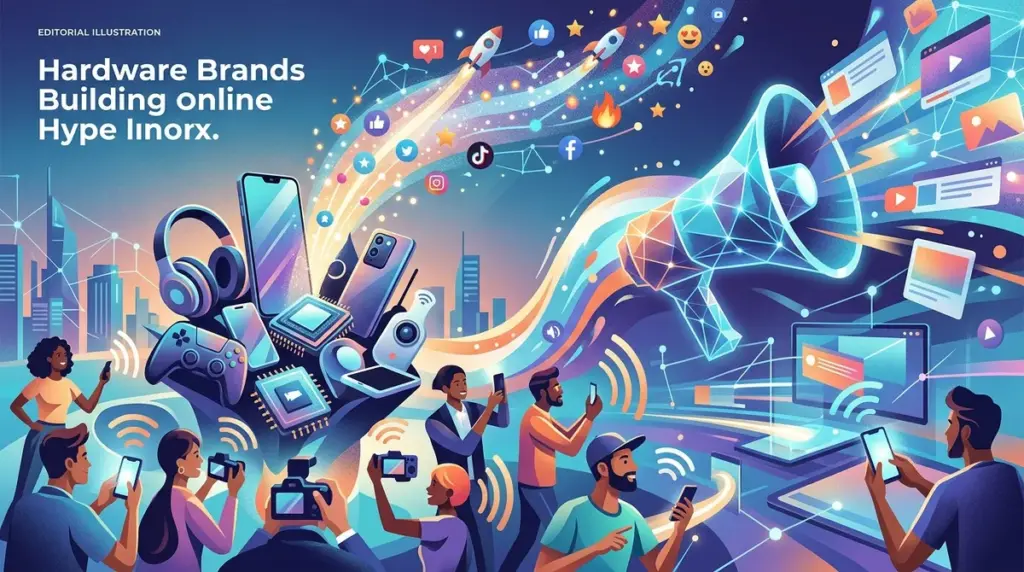
Hardware marketing is fundamentally a game of inventory risk management. Unlike SaaS, where scaling involves server capacity, hardware requires upfront capital for tooling, components, and logistics. Online hype is the mechanism used to bridge the gap between a prototype and a profitable production run. For startups and established brands alike, the goal is to convert digital attention into pre-order capital, effectively using the customer base as a zero-interest loan to fund the first batch of manufacturing.
The Architecture of the Waitlist Economy
Modern hardware brands like Nothing and Rabbit have mastered the "drop" model, a tactic borrowed from streetwear culture to create artificial scarcity. By gatekeeping access through invitation codes or limited-time pre-order windows, these companies transform a standard product launch into an exclusive event. This strategy serves two purposes: it creates a sense of urgency that overrides the consumer's natural hesitation to buy unreviewed first-generation tech, and it provides the brand with precise data on demand density before they commit to a massive factory order.
Best for: Startups with limited initial capital who need to prove market fit to Tier-1 manufacturers or VC investors.
The waitlist isn't just a list of emails; it is a segmented database of high-intent buyers. Successful brands use these lists to gamify the waiting period. Referral loops—where moving up the queue requires inviting three friends—can lower customer acquisition costs (CAC) to near zero in the weeks leading up to launch. However, this only works if the product’s industrial design is distinct enough to be recognizable in a crowded social media feed.
Industrial Design as a Viral Asset
In a digital-first environment, the physical appearance of hardware is its most potent marketing tool. Brands like Teenage Engineering have built a cult following not just through audio fidelity, but through a visual language that is immediately shareable on platforms like Instagram and Pinterest. When the hardware looks like a piece of art, the "unboxing" experience becomes organic content that creators are eager to produce for free.
To build hype, hardware must be "glanceable." This means the design should include a signature element—a transparent casing, a unique LED interface, or an unconventional form factor—that signals the brand's identity without a visible logo. This aesthetic differentiation allows the brand to bypass traditional ad spend by leveraging the aesthetic preferences of tech-focused subcultures.
Warning: The "Vaporware" trap is real. Building hype for a product that does not yet have a finalized Bill of Materials (BOM) or a locked-in manufacturing partner can lead to catastrophic brand damage if shipping dates slip by more than six months.
Strategic Seeding and the Creator Feedback Loop
The era of the broad-spectrum press release is over. Effective hardware hype is built through targeted seeding to "alpha creators"—influencers who have high technical credibility rather than just large follower counts. Sending early prototypes to YouTubers who specialize in teardowns or deep-dive technical reviews builds a foundation of legitimacy that glossy marketing renders cannot provide.
- Phase 1: The Tease. Low-fidelity "leaks" or close-up shots of textures and materials shared on X (formerly Twitter) or Discord.
- Phase 2: The Technical Deep Dive. Providing units to niche experts who can speak to the engineering choices, such as chipsets or thermal management.
- Phase 3: The Lifestyle Integration. Broadening the reach to general tech reviewers once the software stability is confirmed.
This tiered approach ensures that by the time the general public sees the product, the technical community has already vetted its core claims. This mitigates the "first-gen jitters" that often plague new hardware categories.
Transparency as a Competitive Moat
For brands like Framework, hype is built on a philosophical alignment with the customer. By being radically transparent about the supply chain, repairability scores, and even the failures in the development process, they build a level of trust that traditional OEMs (Original Equipment Manufacturers) cannot match. This "build in public" strategy turns customers into advocates who feel a sense of ownership over the brand’s success.
Sharing CAD files, showing photos of the factory floor, and explaining why certain design trade-offs were made creates a narrative of authenticity. In an era of disposable electronics, hardware that promises longevity and modularity generates hype through its defiance of industry norms. This moves the conversation from "what does it do?" to "what does this brand stand for?"
Executing the Post-Hype Transition
Hype is a depreciating asset. Once the first units land in customers' hands, the marketing must pivot from aspirational imagery to functional utility. The most successful brands use the data gathered during the hype phase to refine their software and prepare for a "Version 1.1" or a second-batch rollout that addresses early adopter feedback. This demonstrates responsiveness and prevents the post-launch "hype hangover" where interest craters once the novelty wears off.
To maintain momentum, brands should focus on:
- Firmware updates: Regularly adding features that were teased but not ready at launch.
- Community galleries: Highlighting how users are customizing or using the hardware in the real world.
- Ecosystem expansion: Announcing accessories or modules that increase the lifetime value (LTV) of the initial purchase.
Frequently Asked Questions
How early should a hardware brand start building hype?
Ideally, 4 to 6 months before the expected shipping date. Starting too early leads to "hype fatigue," while starting too late doesn't allow enough time for the waitlist to reach critical mass for manufacturing economies of scale.
Does a high-profile "leak" actually help sales?
Controlled leaks are effective for testing market sentiment and generating search volume. However, accidental leaks of unfinished software or poor industrial design can anchor the brand's reputation to a sub-par version of the product.
What is the most effective platform for hardware hype today?
X and Discord are superior for technical community building and real-time engagement, while Instagram and TikTok are essential for visual storytelling and reaching a broader consumer base. YouTube remains the gold standard for high-intent research and technical validation.
Should hardware brands use Kickstarter or Indiegogo?
Crowdfunding platforms are best for niche products or solo founders. For venture-backed startups, a self-hosted pre-order "drop" on a custom landing page is usually preferred to retain 100% of the customer data and avoid the "crowdfunded" stigma.